Shipping is more than just a logistical task for a small business dealing in custom PCs and electronics; it's a cornerstone of reputation. A robust shipping strategy minimizes damage, controls expenses, and ensures customer satisfaction. This guide outlines the essential steps to safely ship a computer, offering practical advice to protect your products and enhance your brand's reliability. To ship a computer securely, begin by disassembling key components like the graphics card and large CPU coolers to prevent them from damaging the motherboard during transit. Use a double-boxing method, placing the PC in its own box, then nesting that box inside a larger shipping box with at least three inches of cushioning material on all sides. Protect components from electrostatic discharge by wrapping them in anti-static bags or bubble wrap. Opt for third-party shipping insurance, which is typically more cost-effective and provides better coverage than carrier options, ensuring your investment is safeguarded.
What Are the Key Rules for Safely Shipping Electronics?
Understanding the risks shipments face is critical before packing. Electronics endure drops, vibrations that can loosen parts, compression from stacking, and the hidden danger of electrostatic discharge, which can ruin circuits. A pre-shipment checklist is vital: back up all data, fully power down the device, disconnect peripherals, and document the item's condition with detailed photos for insurance purposes. For fully built PCs, remove heavy components like graphics cards and large CPU coolers to avoid motherboard damage, ensuring the system arrives intact.
Choosing the Right Armor for Your Component
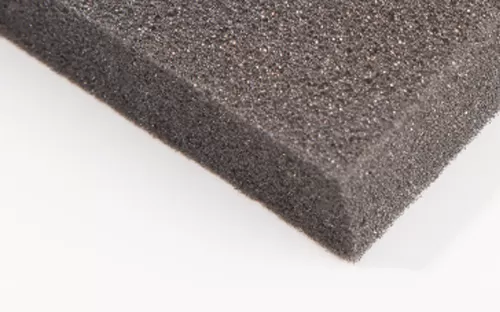
The materials inside the box serve as the primary defense for your components. Foam is highly effective, with soft polyurethane ideal for lightweight items and dense polyethylene better suited for heavier hardware. Bubble wrap offers versatile surface protection, but for bare electronics, pink anti-static bubble wrap is essential to prevent electrostatic discharge. Crumpled paper or air pillows are suitable for filling gaps, though packing peanuts should be avoided for heavy items as they allow shifting. Bare components like motherboards, RAM, or GPUs must be placed in silver static-shielding bags to protect against invisible electrical damage, ensuring their safety during transit.
Mailer Box or Shipping Box
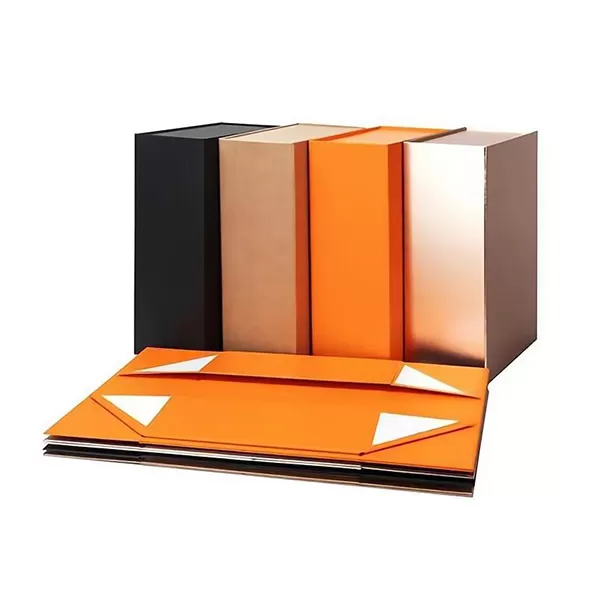
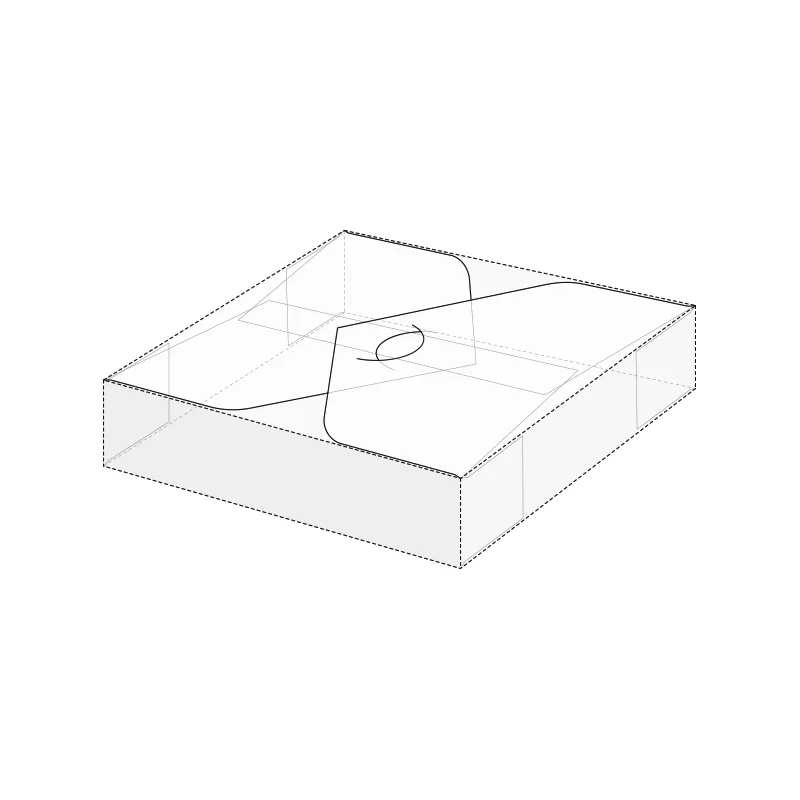
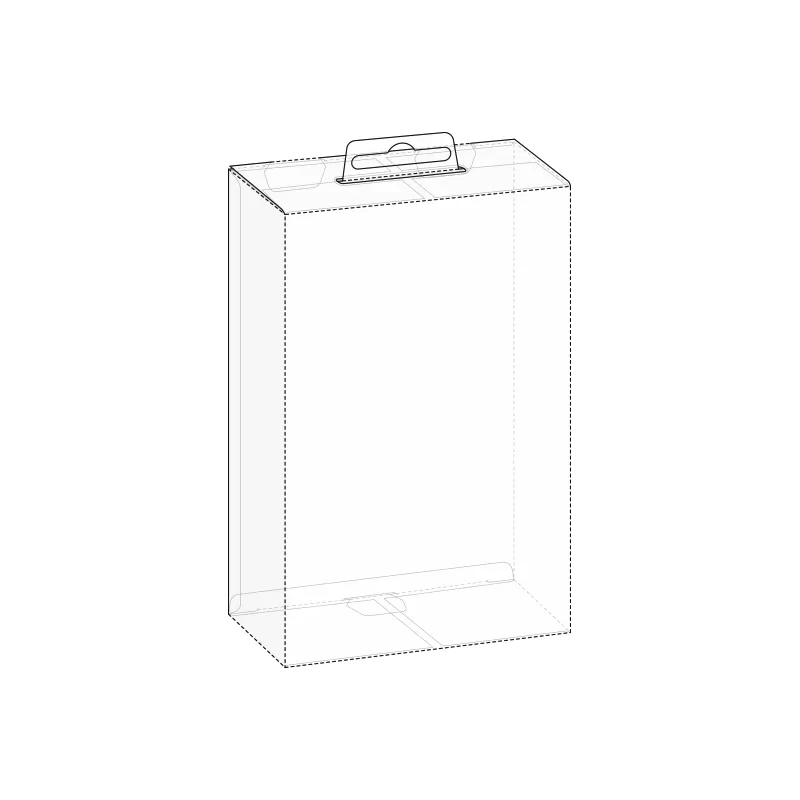
The outer container acts as your product's armor, and choosing the right one depends on the item. Mailer boxes are ideal for smaller, lightweight components like SSDs, RAM, or cables, offering a premium unboxing experience but less structural protection. Shipping boxes, made from thicker corrugated cardboard, are essential for heavier items like PC towers, power supplies, or monitors, designed to withstand significant weight and handling stress. For optimal protection, use a new, sturdy box and employ the double-boxing method, packing the item in a smaller box and placing it inside a larger one with two to three inches of cushioning on all sides.
A Guide to USPS, UPS, and FedEx
No single carrier is ideal for every shipment, so a multi-carrier strategy optimizes cost and reliability. USPS is often the most affordable for small, lightweight packages, delivering to all U.S. addresses without residential surcharges, but its 70-pound limit restricts its use for larger PC towers. UPS excels with heavy packages up to 150 pounds, offering reliable service and excellent tracking, though additional fees can increase costs. FedEx leads in express and overnight shipping, particularly for business-to-business deliveries, but is typically the priciest for standard ground services. All carriers have specific regulations for items with lithium batteries, so compliance with their guidelines is essential.
Insurance for High-Value Shipments
For businesses handling costly electronics, shipping insurance is indispensable. While carriers provide default coverage, typically up to $100, it's often inadequate. Third-party insurance is a smarter choice, offering lower costs, broader coverage—including protection against theft—and a simpler claims process. For high-value shipments, requiring a signature upon delivery adds an extra layer of security, ensuring your products are protected from loss or damage.
Know More About International Shipping
International shipping introduces additional complexities. Compliance with U.S. export regulations is mandatory, particularly for high-performance computers or items with strong encryption. Every shipment requires a detailed customs declaration, such as a commercial invoice, specifying items precisely—e.g., “15.6-inch laptop computer” instead of “electronics”—to avoid delays or fines. The landed cost, including import duties and taxes like VAT or GST, must also be considered. Offering a Delivered Duty Paid option, where you cover these fees upfront, enhances the customer experience by eliminating unexpected costs upon delivery.
What Happens When a Package is Lost or Damaged?
Despite meticulous preparation, packages can still be lost or damaged. Successful insurance claims hinge on thorough documentation, making pre-shipment photos critical. If damage occurs, customers must retain the item and all original packaging for carrier inspection, as discarding them can invalidate the claim. Filing a claim requires the tracking number, proof of value (such as a sales invoice), and detailed photos of the item and packaging. Carriers impose strict deadlines for claims, so prompt action is essential to secure reimbursement. Pro-level shipping transforms risk into reliability. By using innovative packaging, selecting appropriate materials, choosing strategic carriers, and securing proactive insurance, you can safeguard your products and profits. Make your packaging an extension of your brand and turn logistics into a competitive advantage.


 Solid chipboard rigid boxes commonly used for high-end packaging.
 Durable cardboard used for shipping and carrying heavier products.
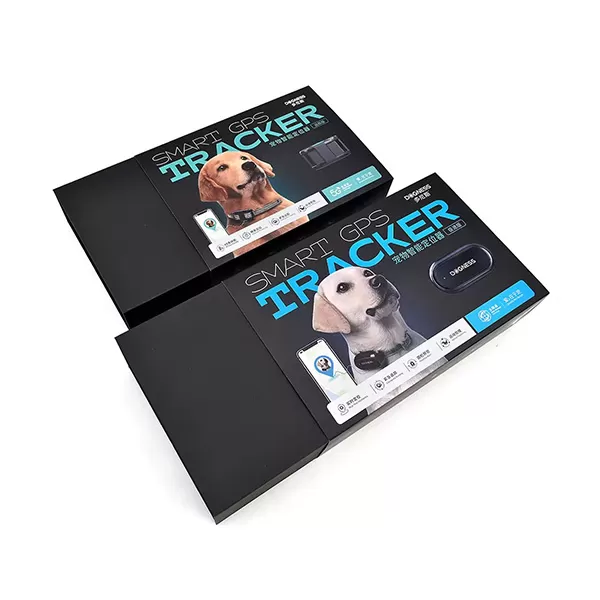
 Packaging made to showcase your product.
 Add more dimensions to your packaging with custom made bags.




 Our packaging experts design and engineer innovative structures tailored to your product and branding.Explore design & engineering
 Our packaging design specialists create exceptional custom artwork that showcase and bring your branding to the next level.Explore design & engineering
 Create physical samples and 3D interactive prototypes final product packaging before making a final decision.Explore design & engineering