Packaging filler, often referred to as void fill, shipping padding, or box cushioning, serves the critical function of safeguarding products within a mailer box during transit. Beyond protection, these materials enhance the visual appeal of the unboxing experience, contributing to a brand's aesthetic and identity. With a wide variety of options available, each type of filler offers unique benefits in terms of protection, presentation, and environmental impact. This guide explores the most popular types of packaging fillers, analyzing their protective capabilities, visual appeal, and sustainability to help you choose the best solution for your needs.
What Exactly is Packaging Filler?
Packaging filler, or void fill, refers to materials placed inside a shipping box to occupy empty space and protect the contents from damage during transport. These fillers absorb the shocks and jolts of delivery, such as those experienced in a delivery van or during rough handling. Many businesses now integrate fillers into their branding strategy, customizing them with prints, shapes, and textures to create a memorable unboxing experience. This attention to detail not only enhances protection but also elevates the customer's perception of the brand, making fillers a vital part of eco-friendly and visually appealing packaging.
In premium industries such as whisky packaging, void-fill design is often aligned with luxury presentation standards to ensure both protection and brand consistency.
When Do I Need to Use a Void Filler?
Contrary to common belief, void fillers are not solely for fragile items. They are essential whenever the presentation of a product matters, as they prevent movement within the box that could lead to damage. Sharp-edged or heavy products can pierce or wear through packaging during transit, especially in standardized boxes with excess space. Void fillers address this by filling gaps, stabilizing contents, and ensuring items arrive intact. Whether protecting delicate goods or enhancing the unboxing experience, void fillers are crucial for maintaining both product integrity and brand image.
In logistics and packaging planning, accurate packaging measurement plays a key role in determining how much void fill material is required.
Packing Paper
Packing paper, typically thin kraft paper, is a versatile filler that can be folded to wrap products or scrunched for added cushioning. It adds a minimalist, rustic charm to packaging, making it ideal for durable items like clothing, books, or lingerie. As a recycled and recyclable material, it appeals to eco-conscious brands looking to enhance their unboxing experience while maintaining sustainability. Packing paper's simplicity makes it an excellent choice for businesses aiming to balance protection with a refined, understated aesthetic.
Internal Inserts
Internal inserts are intricately designed cardboard pieces tailored to hold a product securely within its packaging. Often used for electronics like cell phones, these inserts are engineered to accommodate accessories such as chargers or manuals, ensuring no movement during transit. Their precision makes them ideal for high-end, luxury, or fragile products like glass or porcelain, offering robust protection and a polished presentation that elevates the unboxing experience.
Custom Tissue Paper
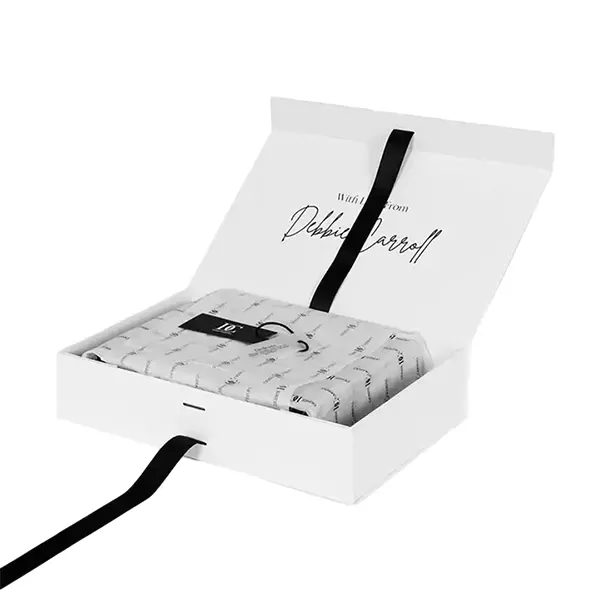
Custom tissue paper is a popular choice for e-commerce brands, particularly in luxury packaging. While it offers limited protection, it adds significant elegance, often used to wrap delicate items like lingerie or apparel. Available in numerous colors and customizable with logos, tissue paper enhances branding and keeps items like sweaters or shoes neatly folded during transit. Its ability to create a sophisticated unboxing experience makes it a go-to for boutique fashion and high-end products.
Honeycomb Paper
Honeycomb paper, with its unique hexagonal structure, has gained popularity for its versatility and sustainability. It can be compacted into a thin layer for storage or expanded into a protective cushion, making it ideal for fragile items like glass. Made from biodegradable and recyclable silk paper, it uses minimal material to fill large spaces, offering both environmental benefits and a warm, decorative aesthetic. Its non-customizable nature limits branding options, but its eco-friendly appeal makes it a favorite for sustainable brands.
Wood Wool/Wood Excelsior
Wood wool, or wood excelsior, offers sustainable cushioning with a rustic, old-school aesthetic, perfect for high-end packaging. Made from shaved, curly wood, it provides excellent internal padding and can introduce a distinctive scent, enhancing the unboxing experience. While the smell may transfer to soft products like clothing, this sensory element can be a deliberate branding choice, particularly for luxury items like candles, where it adds a natural, tactile charm.
Bio Foam Fillers
Traditional polystyrene packing peanuts have been replaced by eco-friendly alternatives made from plant-based materials like corn waste. These biodegradable bio foam fillers are lightweight, non-toxic, and environmentally responsible, making them ideal for brands prioritizing sustainability. They offer versatile protection for fragile products of various shapes and sizes, providing a quick, effective solution without the need for customization.
Shredded Cardboard
Shredded cardboard, derived from recycled material at the end of its lifecycle, serves as a sustainable void filler. Often used in rustic or luxury gift packaging, it provides adequate cushioning for small, heavy items like glass jars. While not the softest option, its raw, natural texture enhances the aesthetic of subscription boxes or eco-focused brands, offering both protection and a connection to nature.
Its performance and structure are closely influenced by types of paper used in corrugated boxes, which determine fiber strength, cushioning ability, and recyclability.
Partition Dividers
Partition dividers, typically made from cardboard or light wood, stabilize and separate multiple items within a box, such as bottles, cosmetics, or jars. Commonly used in larger shipping boxes, they prevent items from touching during transit, reducing the risk of damage. This makes them ideal for glass products or scenarios where multiple items need secure segregation, ensuring safe delivery in high-volume shipments.
Air Pillows
Air pillows, small plastic bags filled with air, provide effective cushioning but are often single-use plastics harmful to the environment. Plant-based, biodegradable alternatives exist, offering a more sustainable option for high-volume warehouses or production lines. While they lack customization, their ease of use makes them practical for businesses prioritizing efficiency over branding, though eco-conscious brands should opt for biodegradable versions.
Bubble Wrap
Bubble wrap, a versatile and popular stress-relieving filler, is commonly used in small postage solutions like mailing bags. However, its single-use plastic composition makes it environmentally damaging, and it offers limited customization. Best suited for budget-conscious brands or high-volume fulfillment, bubble wrap provides reliable cushioning but should be avoided by those prioritizing sustainability.
What's the Best Filler for Me?
Choosing the right void filler depends on your product and priorities. Consider the importance of sustainability, whether protection or branding is more critical, your budget, and the time you can dedicate to preparing fillers like folding paper. These factors will guide you toward the most suitable option, whether it's eco-friendly honeycomb paper, elegant tissue paper, or robust internal inserts. For tailored solutions, Baomi's packaging experts can recommend the ideal filler or even redesign your packaging to minimize the need for void fill, ensuring both functionality and brand impact.


 Solid chipboard rigid boxes commonly used for high-end packaging.
 Durable cardboard used for shipping and carrying heavier products.
 Packaging made to showcase your product.
 Add more dimensions to your packaging with custom made bags.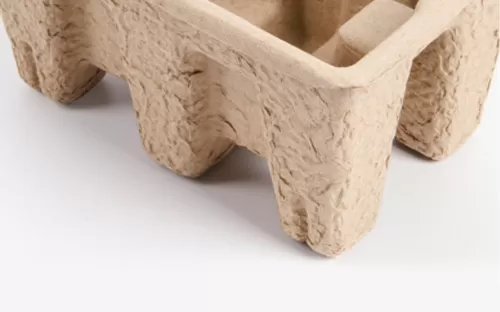




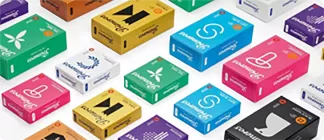 Our packaging experts design and engineer innovative structures tailored to your product and branding.Explore design & engineering
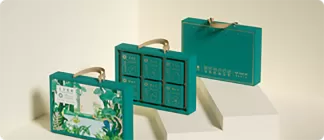 Our packaging design specialists create exceptional custom artwork that showcase and bring your branding to the next level.Explore design & engineering
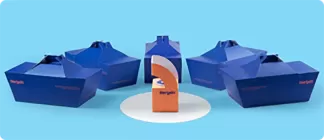 Create physical samples and 3D interactive prototypes final product packaging before making a final decision.Explore design & engineering