Unboxing a much-anticipated package is exciting, but discovering stubborn tape residue can quickly turn joy into frustration. This sticky nuisance clings to surfaces with relentless determination, whether on a cherished antique or a brand-new device. Fear not—this guide equips you with effective methods to conquer packaging tape residue, turning you into a confident residue-removal expert.
Understanding different adhesive behaviors also depends on packaging paper types, since surface coating and fiber structure can significantly affect how easily tape residue can be removed.
Warm Water and Soap
A simple yet powerful solution lies in warm water and soap, a classic combination that tackles less persistent tape residue with ease. The warmth softens the adhesive, while the soap gently lifts it from the surface. With a bit of light scrubbing, this readily available method can effectively clean residue, making it an accessible starting point for most surfaces.
Hair Dryer
For delicate surfaces that can't handle aggressive scrubbing, a hair dryer offers a gentle alternative. By directing warm air at the residue for a brief period, the heat weakens the adhesive's hold, allowing it to be peeled away effortlessly. Care must be taken to avoid overheating, which could harm the surface or your fingers, ensuring a safe and effective removal process.
Rubbing Alcohol or Isopropyl Alcohol
When a stronger approach is needed, rubbing alcohol or isopropyl alcohol proves highly effective. Applying a small amount with a cloth and gently rubbing the residue breaks down the adhesive, making it easy to wipe away. Ideal for glass or metal surfaces, this method requires a quick test on a small area to confirm it won't cause damage, ensuring both efficacy and safety.
White Vinegar
White vinegar, a versatile cleaning staple, excels at dissolving adhesive residue. By applying it with a cloth or sponge and allowing it to sit for a few minutes, the vinegar's acidity breaks down the adhesive for easy removal. Eco-friendly and nontoxic, this method is safe for most surfaces and gentle on your hands, making it a reliable choice for residue removal.
Commercial Goo Remover
For particularly stubborn residue, commercial goo removers offer a powerful solution. Specifically designed to tackle adhesives, these products are highly effective when used according to their instructions. While they excel at removing tough residue, it's essential to verify compatibility with the surface to avoid potential damage, ensuring a balance of strength and care.
Cooking Oil
Surprisingly effective, cooking oils like olive, vegetable, or coconut oil can soften tape residue for easy removal. Applying a small amount to the residue and letting it sit for a few hours weakens the adhesive, allowing it to be wiped away effortlessly. This household remedy is a gentle, accessible option for tackling sticky situations across various surfaces.
Pencil Erasers
An unexpected yet clever method involves using a pencil eraser to remove residue. By gently rubbing the eraser over the adhesive, the friction generates heat, gradually rolling the residue off the surface. This technique is particularly useful for small spots on hard surfaces, offering a precise and non-invasive way to clean up sticky remnants.
Baking Soda Paste
A baking soda paste provides a gentle abrasive solution for residue removal. Mixing baking soda with water to form a paste, applying it to the residue, and letting it sit for a few minutes allows the mixture to lift the adhesive without harming the surface. This method is versatile, working well across a range of materials while maintaining surface integrity.
Nail Polish Remover
Nail polish remover, with its acetone content, swiftly dissolves adhesive residue. Due to its potency, it should be used sparingly and tested on a hidden area first to avoid damaging surfaces, particularly plastics, which may discolor or degrade. This method is best suited for non-plastic surfaces where its strength can be safely applied.
Ice Cube
For delicate surfaces like fabric, the ice cube method offers a unique approach. By holding an ice cube, wrapped in a plastic bag to prevent water damage, against the residue, the cold hardens the adhesive, making it brittle and easier to scrape off. This technique is gentle and effective, preserving the integrity of sensitive materials during residue removal.
If you are in need of bulk whisky packaging, beer shipping packaging or any packaging needs, please feel free to contact Baomi for more information.


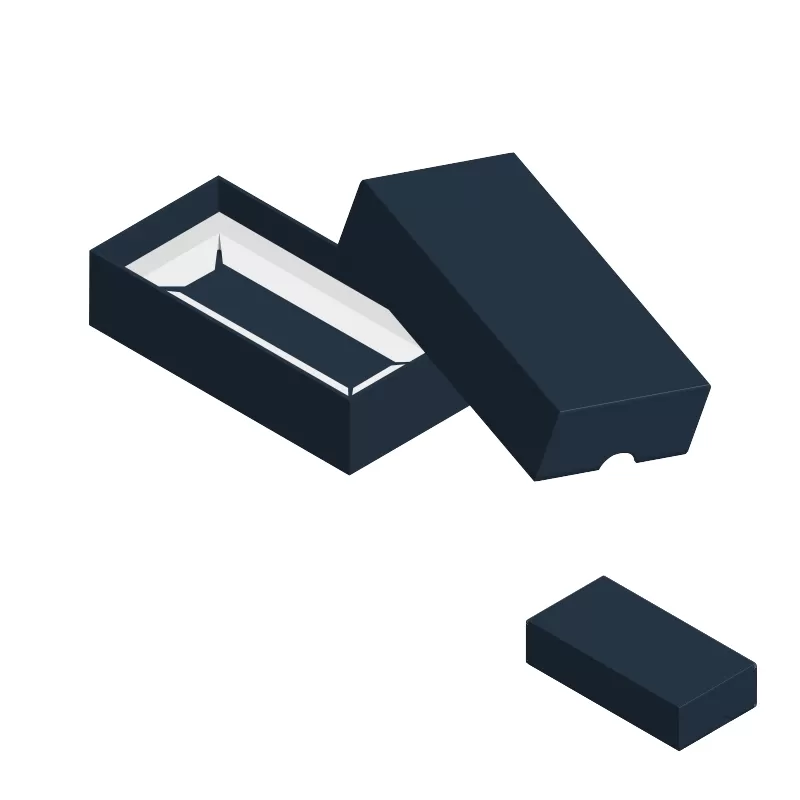
 Solid chipboard rigid boxes commonly used for high-end packaging.
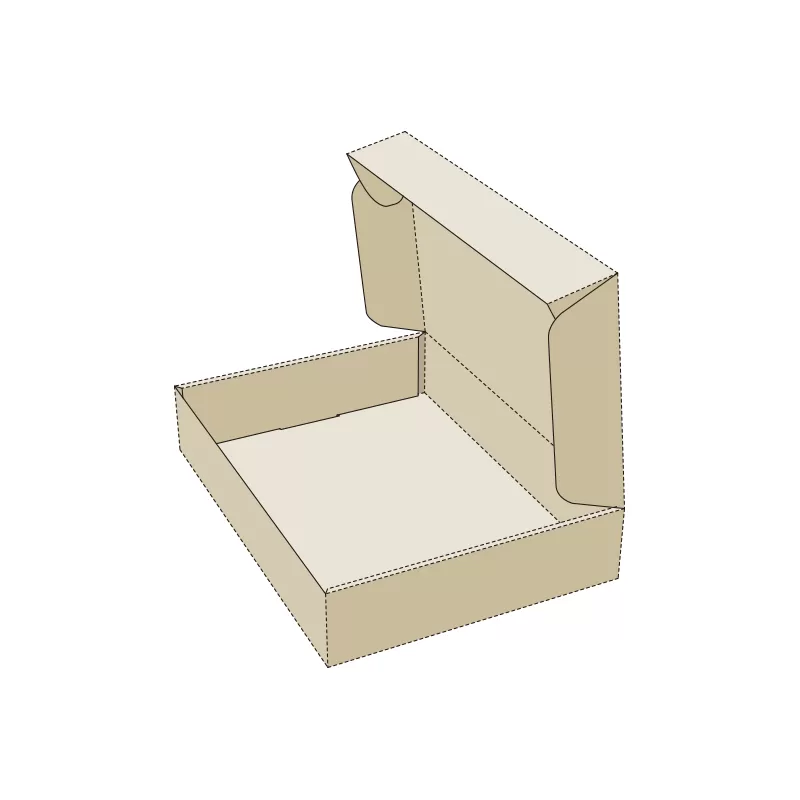
 Durable cardboard used for shipping and carrying heavier products.
 Packaging made to showcase your product.
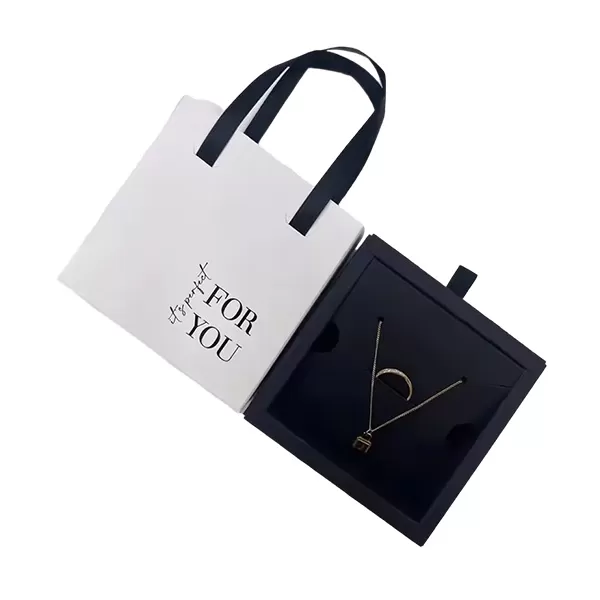
 Add more dimensions to your packaging with custom made bags.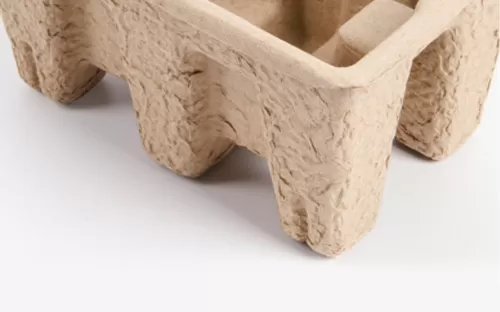




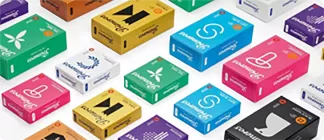 Our packaging experts design and engineer innovative structures tailored to your product and branding.Explore design & engineering
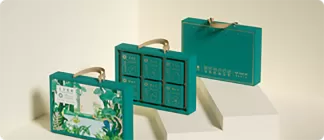 Our packaging design specialists create exceptional custom artwork that showcase and bring your branding to the next level.Explore design & engineering
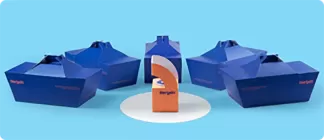 Create physical samples and 3D interactive prototypes final product packaging before making a final decision.Explore design & engineering