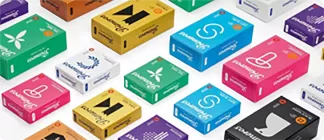
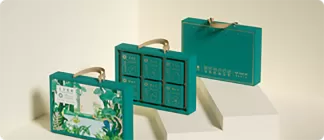
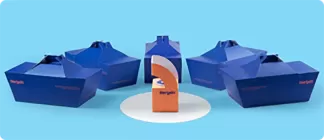
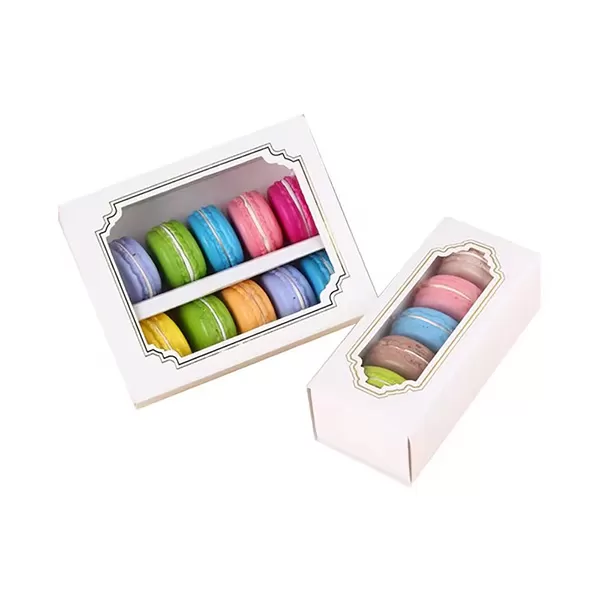
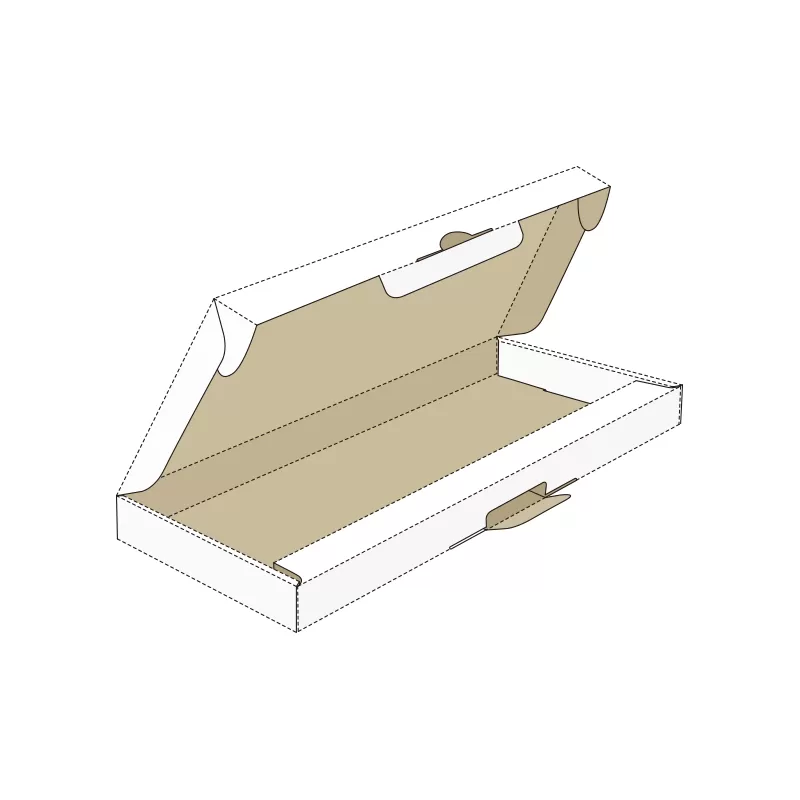
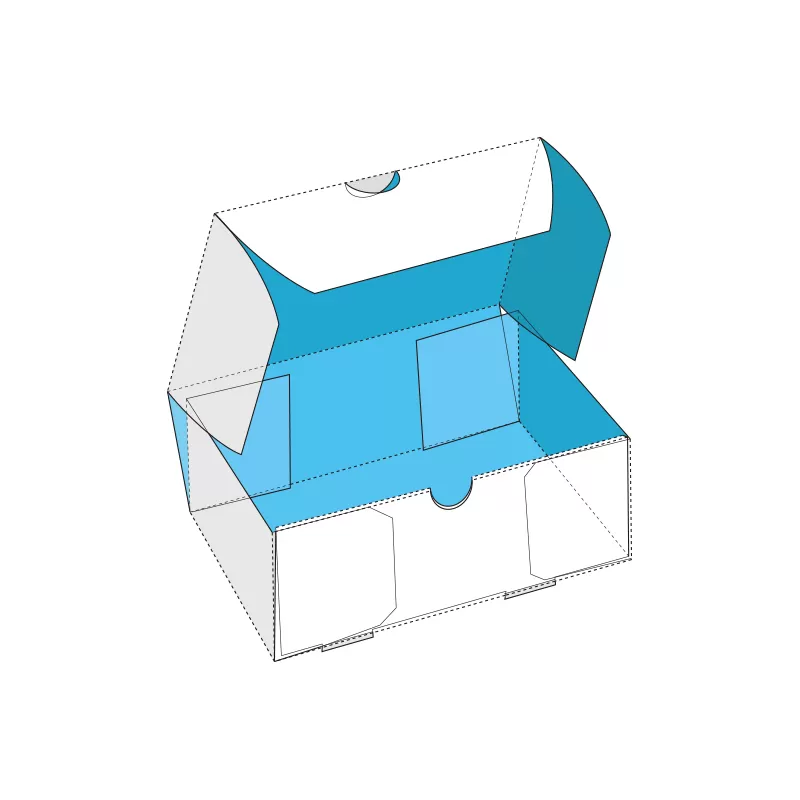
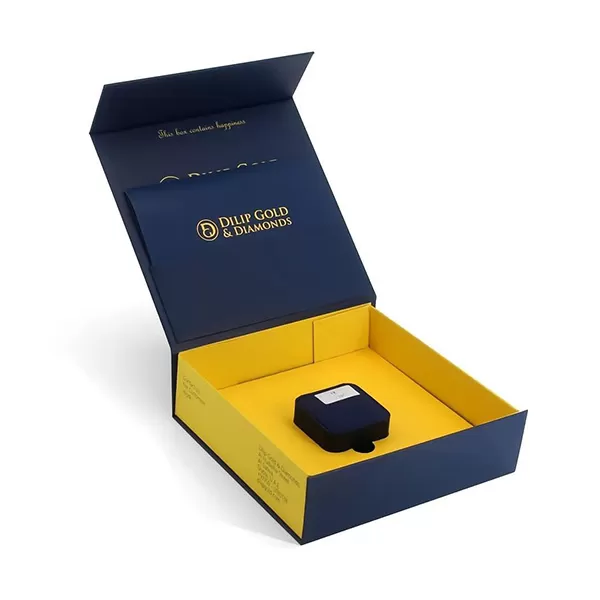
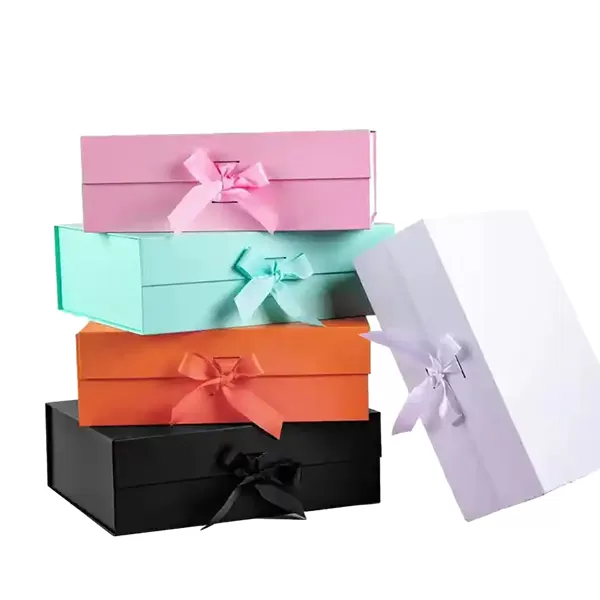
Packaging design is the craft of shaping a product's container to reflect both its identity and that of the brand. It transcends mere aesthetics, serving as a comprehensive strategy to present a product to the world. By blending various elements, packaging design introduces a product, captivates consumers, and elevates their overall experience, ensuring the packaging is as functional as it is visually engaging.
The magic of packaging design emerges when its core components work in harmony, transforming a simple container into a potent marketing tool. The structure, encompassing shape, size, and material, forms the backbone of the design, ensuring product protection, usability, and visual appeal. Graphics, including logos, typography, and imagery, convey the brand's identity and essential product details to consumers. Color plays a pivotal role, evoking emotions and shaping perceptions to influence how the product and brand are viewed. Brand messaging weaves in the brand's values, personality, and unique selling points, reinforcing its identity and forging a connection with the target audience.
A good packaging design excels in multiple dimensions. It is functional, protecting its contents, opening effortlessly, and enhancing the user experience, with added value if it serves multiple purposes. Visually, it must stand out in a crowded marketplace, capturing attention and inviting closer inspection. Clarity is essential, ensuring the packaging communicates the product's purpose and value swiftly. Additionally, a versatile design adapts seamlessly across various formats and sizes while preserving brand consistency, maintaining its identity without compromise.
Packaging design is a critical touchpoint for any product. It acts as the initial handshake with potential customers, where a striking design can halt shoppers and spark curiosity. A well-crafted design imprints the brand in consumers' minds, fostering recognition and encouraging repeat purchases. It serves as a silent storyteller, conveying the brand's essence and key product details at a glance. In a competitive market, distinctive packaging sets a product apart, making it irresistible and ensuring it doesn't blend into the background.
Designing packaging begins with a clear purpose and thorough research. Defining goals ensures the design aligns with the product's objectives, while studying the target audience, product specifications, competitors, and market trends lays a strong foundation. From there, creative concepts take shape through sketches and digital designs, culminating in prototypes to evaluate functionality, aesthetics, and fit. Testing and refining the design based on feedback ensures optimization, while the final step involves selecting materials, printing, and assembling the packaging to bring the vision to life.
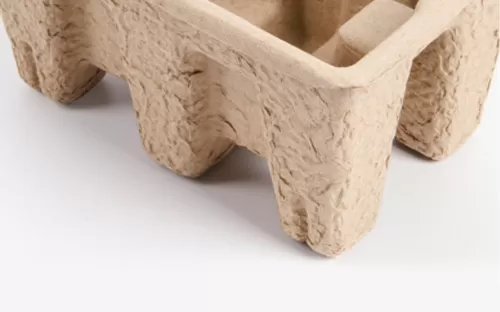
Packaging design trends offer inspiration for creating impactful solutions. Sustainable packaging, like Baomi's innovative approach to reducing waste with reusable elements, blends eco-consciousness with practicality. Incorporating QR codes enhances consumer engagement, as seen in Baomi's creative use of technology to connect with customers interactively. Minimalism emphasizes simplicity, allowing the product to shine through clean, uncluttered designs. Conversely, maximalism embraces bold typography and intricate illustrations to tell a vibrant brand story, as Baomi demonstrates with its dynamic packaging. Retro designs evoke nostalgia and reliability, while textured packaging adds a sensory dimension, making products feel distinctive. Personalization, such as Baomi's customized packaging, fosters a deeper connection with consumers, making them feel uniquely valued.
To conclude, packaging design is a blend of creativity and strategy, infusing personality, functionality, and persuasion into a product's container. With these insights, you can craft packaging that not only captivates but also delivers tangible results. Happy designing!