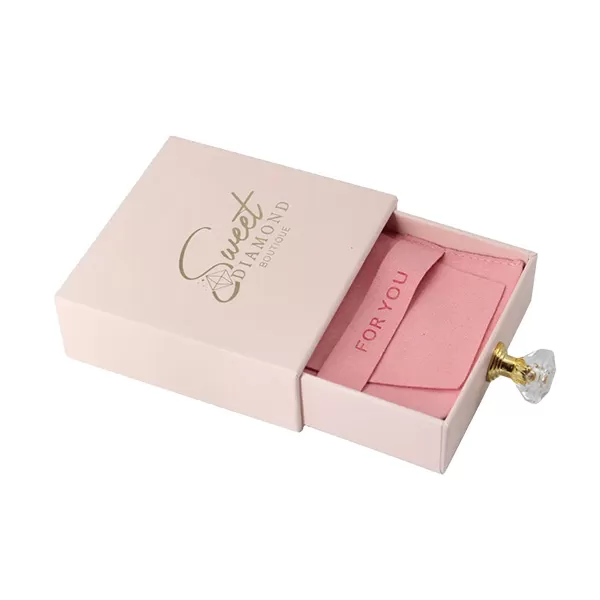
A custom packaging quotation is determined by much more than the size of a box. Box structure, material, printing method, order quantity, surface finishes, inserts, sampling requirements, quality standards and export packing can all influence the final price. For buyers comparing suppliers, the most useful quotation is not always the one with the lowest unit price. A reliable quotation should clearly define what is included, what specifications have been assumed and which costs may change after sampling.
Understanding these factors helps brands, importers and wholesalers prepare accurate enquiries, compare quotations on the same basis and avoid unexpected costs during production.
Box Structure Is the First Major Cost Factor
The type of box has a direct effect on material consumption, production steps, assembly requirements and shipping volume.
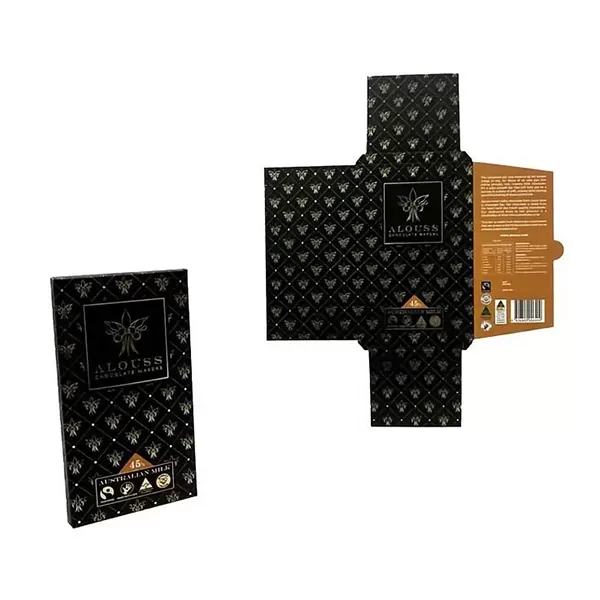
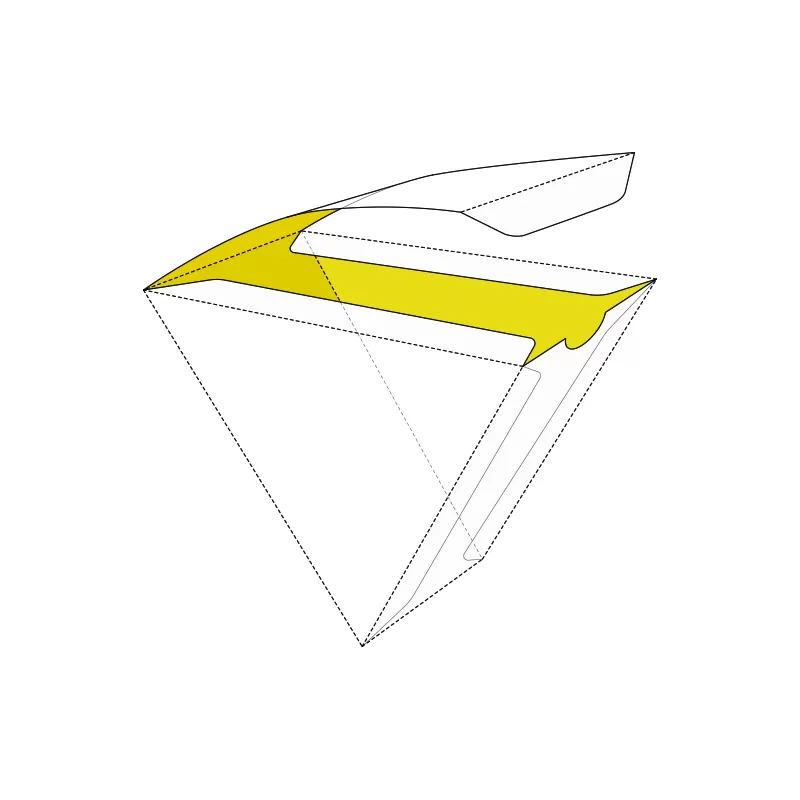
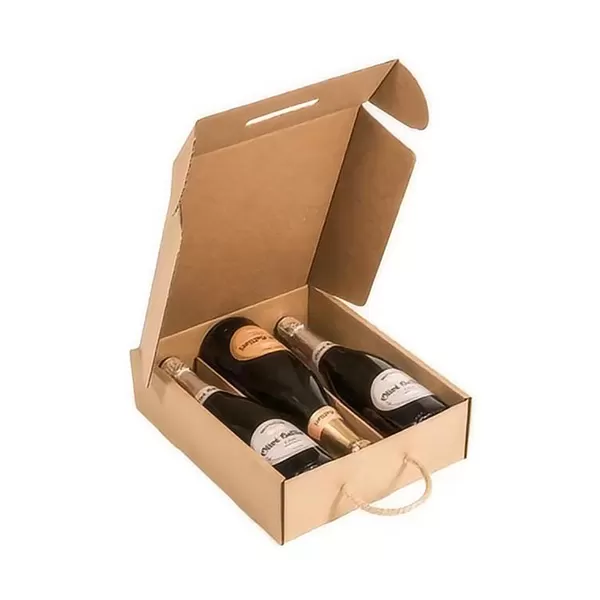
A folding carton is normally produced from a single sheet of paperboard that is printed, die-cut, folded and glued. A rigid box usually requires thick greyboard, printed wrapping paper, manual or semi-automatic wrapping and more assembly work. Corrugated packaging adds fluting, board-strength requirements and converting processes designed for shipping protection.
Common packaging structures include:
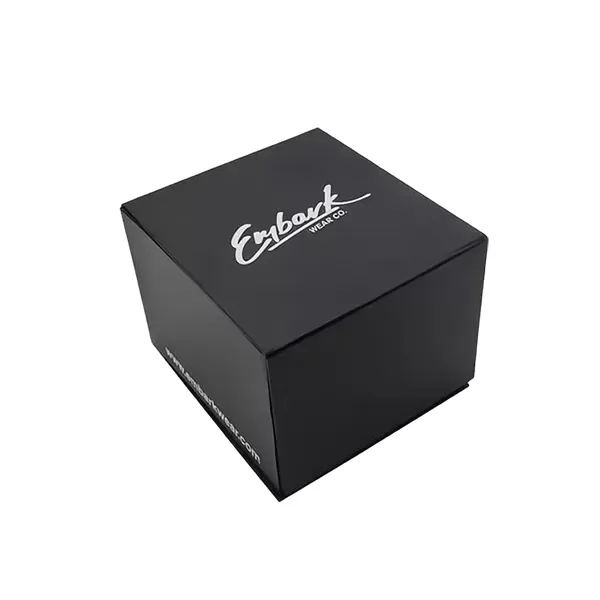
A standard reverse tuck end carton is generally simpler to manufacture than a magnetic rigid box with a custom insert, ribbon pull and foil-stamped logo. Even when the finished dimensions are similar, the production processes are very different.
Buyers should therefore identify the required box style before comparing unit prices. A reference image, sample box or structural drawing can help the supplier understand the intended construction.
Brands that are still evaluating different packaging formats can review Baomi's range of custom packaging boxes before requesting a quotation.
Material Grade, Thickness and Surface Paper Affect Price
Material cost depends on the type, grade, thickness, coating and appearance of the paperboard.
Folding cartons may use SBS, C1S paperboard, kraft paperboard or other coated and uncoated materials. Rigid boxes commonly use greyboard wrapped with printed art paper, specialty paper or textured paper. Corrugated boxes may use different flute profiles, liner grades and board combinations according to product weight and shipping requirements.
Several material decisions influence a packaging quotation:
Paperboard grade
GSM or board thickness
Virgin or recycled fiber content
White, brown or colored surface
Coated or uncoated finish
Food-contact requirements
FSC-certified or other certified materials
Moisture or grease resistance
Required stiffness and compression strength
Using thicker material does not automatically create better packaging. The correct material should be selected according to product weight, box size, stacking requirements, retail presentation and transportation conditions.
A small cosmetic carton and a multi-bottle wine box require different structural strength. Over-specifying the board increases cost, while under-specifying it may cause deformation or damage.
For premium gift packaging, buyers can compare options available for custom rigid boxes wholesale.
Packaging Dimensions Influence Material Use and Shipping Volume
Box dimensions determine how much material is required and how efficiently the packaging can be produced, packed and shipped.
A quotation should be based on the correct internal or external dimensions. Small changes in length, width or depth may affect:
An oversized box requires more material and often more void fill. It may also increase dimensional shipping weight. A box that is too tight can make assembly difficult or damage the product.
For packaging with inserts, the box dimensions must account for the product, insert thickness, accessory compartments and the clearance needed for loading and removal.
Buyers should provide product dimensions and weight, not only an estimated finished-box size. The packaging supplier can then recommend a more efficient structure.
Order Quantity Changes the Unit Cost
Order quantity is one of the most important factors in a packaging quotation because custom production includes fixed setup costs.
These may include:
The fixed costs are divided across the production quantity. A run of 500 boxes carries a higher setup cost per box than a run of 10,000 boxes.
However, buyers should not order an unnecessarily large quantity only to reduce the unit price. Storage space, product updates, artwork changes and packaging obsolescence should also be considered.
A useful quotation may include two or three quantity options, such as:
| Quantity | Typical Use | Unit-Cost Effect |
|---|
| Low quantity | Market testing or product launch | Higher unit cost |
| Medium quantity | Regular wholesale orders | Balanced unit cost |
| High quantity | Established products | Lower unit cost |
The best order quantity balances production efficiency with inventory risk.
Printing Method and Color Requirements Affect Setup
Printing costs depend on the material, artwork, production quantity and color requirements.
Offset printing is widely used for high-quality paper packaging and medium-to-large production runs. Digital printing can be suitable for prototypes, short runs or variable artwork. Screen printing may be used for specific materials, strong spot colors or specialty applications.
The quotation may also be affected by:
A design using four-color process printing is not necessarily more expensive than a simple one-color design if the one-color design requires a specific Pantone match and repeated color adjustments.
Buyers should provide editable artwork files, color references and brand guidelines whenever possible. This allows the supplier to evaluate the printing process accurately.
For cartons that require high-quality printed graphics, Baomi's custom folding carton solutions can be specified with different printing and finishing options.
Surface Finishes Add Materials and Production Steps
Surface finishes improve visual impact, tactile quality and resistance to scratching or moisture. They also add production stages.
Common options include:
The final cost depends on the finish area, number of applications, tooling requirements and production complexity.
For example, a small foil-stamped logo may require a custom foil plate and an additional press run. Embossing may require male and female dies. Spot UV must be registered accurately with the printed artwork.
Buyers should prioritize finishes that support the brand position and packaging function. Applying several premium processes to every surface may increase cost without improving the customer experience.
Inserts, Accessories and Special Components Affect Assembly
Packaging inserts protect the product, organize accessories and improve presentation. They can also represent a significant part of the packaging quotation.
Common insert materials include:
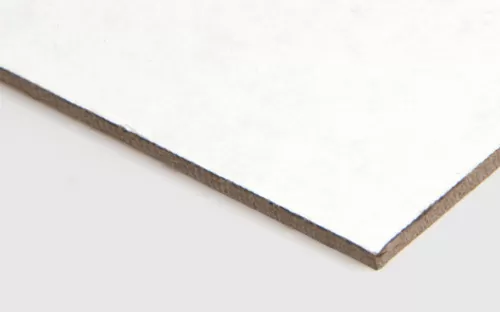
Paperboard
Corrugated board
Molded pulp
EVA
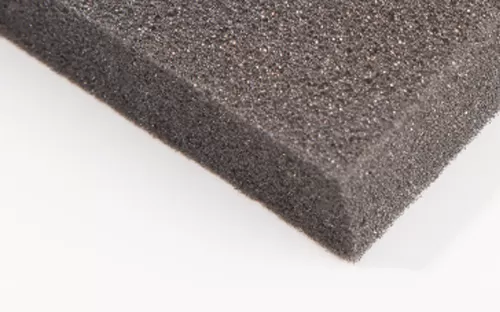
EPE foam
PET or plastic trays
Fabric-covered inserts
Additional components may include magnets, ribbons, handles, windows, metal accessories, closures and protective sleeves.
The quotation should specify:
A simple folded paperboard insert is normally less expensive than a precision-cut EVA insert with several accessory compartments.
Sampling and Prototype Requirements Should Be Defined
Samples allow buyers to verify dimensions, structure, material, color and finishing before mass production.
Different sample types may carry different costs:
A plain sample can confirm fit and construction, but it may not accurately represent offset printing, foil stamping or final production materials. A fully finished sample offers a more complete reference but requires more setup.
The quotation should clarify whether sample fees, shipping costs and revision rounds are included. Buyers should also define which specifications must be approved before production.
Quality Standards and Testing Influence the Quotation
Packaging used for export, fragile goods, food, cosmetics or electronics may require additional quality controls.
Possible requirements include:
Testing adds value when it is connected to a real packaging risk. It should not be added only as a general claim.
At Baomi, packaging specifications can be reviewed before sampling so that material, structure and quality-control requirements are aligned with the product and expected distribution conditions.
Export Packing and Delivery Terms Must Be Compared
A low box price may not include suitable export packing.
Buyers should check whether the quotation covers:
Rigid boxes and assembled packaging can take up considerable shipping space. Flat-packed or collapsible structures may reduce freight volume, but they may require additional assembly by the buyer.
When comparing suppliers, use the same Incoterm and delivery destination. EXW, FOB, CIF and DDP quotations should not be compared as though they include the same services.
What Information Is Needed for an Accurate Packaging Quotation?
Providing complete information reduces unnecessary revisions.
Buyers should prepare:
Product dimensions and weight
Required box style
Internal or external packaging dimensions
Order quantity
Material preference
Printing colors
Surface finishes
Insert requirements
Artwork or logo files
Delivery country and preferred trade term
Required completion date
Quality or testing requirements
When some specifications are still undecided, reference images and the intended product application can help the supplier recommend a suitable option.
Frequently Asked Questions
Why does a lower order quantity increase custom box cost?
Custom packaging includes fixed costs such as structural design, tooling, printing setup and machine adjustment. When the quantity is low, these costs are divided across fewer boxes, increasing the unit price.
Which is more expensive, rigid boxes or folding cartons?
Rigid boxes are generally more expensive because they use thicker board, wrapping paper and more assembly steps. Folding cartons are usually more material-efficient and faster to produce, although premium finishes can increase their cost.
Do printing colors affect a packaging quotation?
Yes. CMYK, Pantone colors, white ink, metallic ink, inside printing and tight color tolerances may require different printing setups and additional quality control.
Are samples included in the packaging quotation?
Not always. Sample fees, tooling, express shipping and revision rounds should be listed separately unless the supplier confirms that they are included.
How should buyers compare packaging quotations?
Compare the same structure, dimensions, material thickness, printing, finishes, inserts, quantity, quality standards, packing method and delivery term. A lower price may reflect different specifications.
How can I reduce custom packaging cost?
Use an efficient box size, avoid unnecessary finishes, select a structure suited to the product, compare realistic order quantities and provide complete artwork and specifications before sampling.
Conclusion
A useful packaging quotation should provide enough detail for the buyer to understand what is being purchased. Box structure, material, size, quantity, printing, finishes, inserts, sampling, quality control and export packing should all be reviewed before the final price is compared.
Providing accurate product information at the enquiry stage allows the packaging manufacturer to recommend a more efficient structure and reduce revisions later in the project.


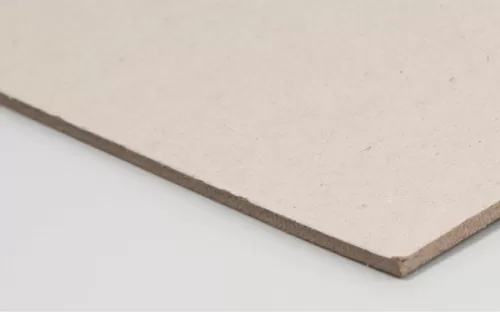
 Solid chipboard rigid boxes commonly used for high-end packaging.
 Durable cardboard used for shipping and carrying heavier products.
 Packaging made to showcase your product.
 Add more dimensions to your packaging with custom made bags.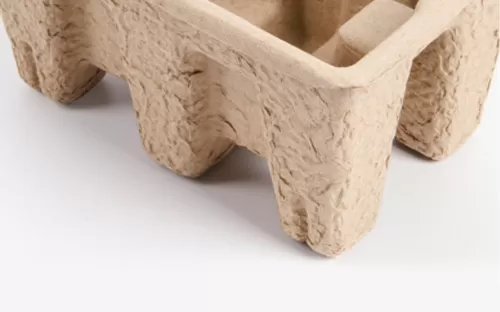




 Our packaging experts design and engineer innovative structures tailored to your product and branding.Explore design & engineering
 Our packaging design specialists create exceptional custom artwork that showcase and bring your branding to the next level.Explore design & engineering
 Create physical samples and 3D interactive prototypes final product packaging before making a final decision.Explore design & engineering