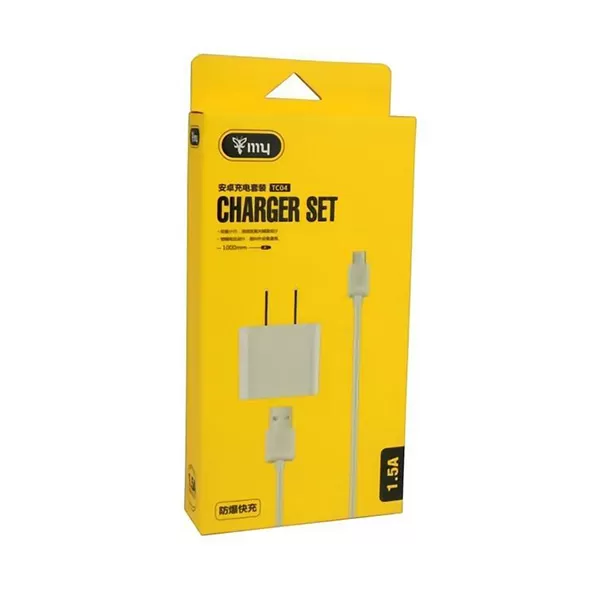
Void fill is packaging material placed in empty spaces inside a box to limit product movement, reduce impact and improve protection during storage and transportation.
The correct void fill depends on product weight, fragility, box size, shipping conditions and presentation requirements. Kraft paper may be sufficient for a lightweight item, while a fragile bottle or electronic device may require a fitted corrugated, molded-pulp or foam insert.
Using more filler does not automatically create better protection. Effective packaging begins with an appropriately sized box and a material designed for the product’s actual risks.
What Is Void Fill?
Void fill occupies unused space between the product and the outer packaging.
Its main functions are to:
Restrict product movement
Reduce collision between multiple items
Support the product inside the box
Absorb some shock and vibration
Prevent products from reaching box walls
Improve presentation in gift packaging
Void fill is commonly used in:
E-commerce shipping
Subscription boxes
Wine packaging
Cosmetic packaging
Electronics packaging
Jewelry packaging
Ceramics and glassware
Gift boxes
The amount and type of fill should be matched to the product. Lightweight textiles do not require the same protection as glass bottles or sensitive electronics.
Void Fill, Cushioning and Blocking Are Not the Same
These terms are related, but they describe different packaging functions.
Void fill
Fills empty space and reduces movement.
Cushioning
Absorbs shock and reduces transmitted impact.
Blocking and bracing
Physically holds a product in a defined position.
Custom inserts
Use a fitted structure to locate, separate and present products.
Decorative filler
Improves visual presentation but may provide limited shipping protection.
A crinkle-paper filler may improve the appearance of a gift box, but it may not provide sufficient cushioning for a heavy glass bottle. A custom corrugated insert can provide stronger positioning with less loose material.
Types of Void Fill Materials
Kraft paper
Kraft paper can be folded, crumpled or converted into paper cushioning.
Advantages include:
Recyclable paper-based format
Easy handling
Suitable for many general products
Adaptable to different void sizes
Limitations include:
Protection depends on how it is packed
Loose paper may settle during transport
Large quantities require storage space
Crinkle paper
Crinkle paper is commonly used in gift boxes and subscription packaging.
It provides:
Decorative appearance
Color options
Light product separation
Easy manual packing
It is better suited to lightweight products than heavy or highly fragile goods.
Corrugated inserts
Corrugated inserts can hold products in fixed positions and separate multiple items.
They are useful for:
Wine bottles
Electronics
Glass containers
Product sets
Shipping cartons
Corrugated inserts can reduce the need for loose filler and simplify packing.
Molded pulp
Molded pulp is formed around the product shape and is often used for bottles, electronics and household goods.
Advantages include:
Tooling and minimum-order requirements may apply.
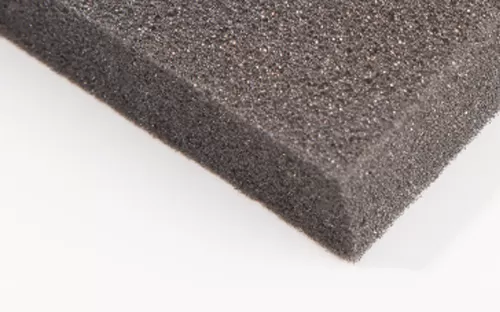
EVA and EPE foam
Foam inserts provide strong cushioning and can be cut to precise shapes.
They are often used for:
Foam may offer excellent protection but may not fit every sustainability target.
Air pillows
Air pillows fill large spaces with limited material weight.
They are often suitable for lightweight e-commerce shipments. They are less suitable for sharp, heavy or highly fragile products unless combined with other protection.
Bubble cushioning
Bubble materials provide surface cushioning and wrapping protection.
They may be used around individual items, but recyclability and disposal requirements differ by market.
Void Fill Material Comparison
| Material | Protection Level | Presentation | Storage Efficiency | Typical Use |
| Kraft paper | Medium | Basic | Medium | General shipping |
| Crinkle paper | Low–Medium | High | Low | Gift and subscription boxes |
| Corrugated insert | High | Medium | High | Bottles and electronics |
| Molded pulp | High | Medium | Medium | Fragile products |
| EVA/EPE foam | High | High | Medium | Premium or sensitive goods |
| Air pillows | Medium | Basic | High before inflation | Lightweight shipping |
| Bubble cushioning | Medium–High | Basic | Low | Wrapped fragile items |
The best material is the one that controls the product’s movement and impact risk without creating unnecessary volume or waste.
How to Choose Void Fill by Product Type
Wine and beverage bottles
Bottles require separation, neck support and protection from side impact.
Loose filler alone may not prevent glass bottles from striking each other. Corrugated dividers, molded pulp or fitted inserts are generally more reliable.
Related structural options are available through Baomi’s custom wine boxes.
Cosmetics and skincare
Cosmetic bottles, jars and pumps may need individual cavities. Paperboard, molded pulp, EVA or folded-card inserts can improve product presentation.
Electronics
Electronics packaging should protect screens, corners, ports and accessories. Fitted foam, molded pulp or corrugated inserts are often more effective than loose fill.
Jewelry
Jewelry packaging prioritizes presentation and product positioning. Paperboard platforms, fabric-covered inserts or foam may be used.
Apparel
Apparel usually needs limited cushioning. Tissue paper, folded paper or right-sized cartons may be sufficient.
Ceramics and glassware
Fragile items need surface cushioning, separation and space from the outer box walls. Packaging should be tested under realistic distribution conditions.
How Much Void Fill Should Be Used?
There is no universal volume.
The correct amount depends on:
Product weight
Fragility
Shape
Number of items
Box strength
Shipping distance
Handling method
Drop risk
Vibration
Moisture conditions
A basic manual check is to close the box and move it gently. The product should not shift freely. However, this does not replace drop, vibration or compression testing.
Excessive pressure from tightly packed filler can also damage soft products or lightweight cartons.
How to Minimize Void Fill Usage
Reducing void fill should begin with packaging design.
Use a right-sized box
A box close to the required product dimensions reduces empty space and shipping volume.
Use a fitted insert
A paperboard, corrugated or molded insert can position the product with less loose material.
Optimize product arrangement
Multi-product sets should be arranged to reduce gaps and prevent direct contact.
Reduce unnecessary box depth
Small reductions in depth can lower material use and dimensional freight weight.
Test material thickness
A stronger structure may allow a smaller box, while an oversized weak box may require more filler.
Standardize packing
Clear packing instructions help workers use the correct amount of material consistently.
Review product and packaging together
Changing the product orientation may create a more efficient structure.
Baomi's custom packaging boxes can be developed with fitted structures and inserts according to the product and distribution requirements.
How Void Fill Affects Packaging Cost
Void fill cost includes more than the material itself.
Buyers should consider:
Material price
Storage volume
Packing labor
Equipment
Packing speed
Damage rate
Shipping volume
Disposal and recycling
Customer experience
Loose filler may have a low purchase cost but require more labor and storage. A custom insert may have higher design and tooling costs but improve packing speed and product consistency.
The correct comparison should consider the total packaging process.
Sustainable Void Fill Considerations
Sustainable packaging decisions should consider:
A recyclable filler does not create an efficient package if the box is much larger than necessary.
Paper-based inserts can support mono-material packaging, but coatings, adhesives and mixed components should also be reviewed.
Testing Void Fill and Protective Packaging
Testing should reflect expected distribution conditions.
Possible evaluations include:
Testing is especially important for glass, electronics, ceramics, bottles and products shipped internationally.
Frequently Asked Questions
What is void fill packaging?
Void fill is material placed in unused spaces inside a box to restrict product movement and improve protection during handling and transportation.
What is the best void fill for fragile products?
Fragile products often require fitted inserts, molded pulp, foam or a combination of cushioning and separation. Loose paper alone may not provide enough protection.
Is void fill the same as cushioning?
No. Void fill mainly occupies empty space, while cushioning absorbs impact. Some materials perform both functions, but the packaging should be designed around the actual risk.
How much void fill should be placed inside a box?
Use enough to prevent uncontrolled product movement without applying damaging pressure. The correct quantity should be confirmed through packing trials and distribution testing.
Are custom inserts better than loose void fillers?
Custom inserts generally provide more consistent positioning and presentation. Loose fill may be more flexible for variable products or low-volume operations.
How can companies reduce void fill?
Use right-sized boxes, optimize product orientation, introduce fitted inserts, standardize packing and reduce unnecessary internal space.
Conclusion
Void fill should be selected as part of the complete packaging system. Product fragility, weight, box size, material strength, shipping conditions and presentation all influence the correct solution.
The most efficient approach is usually to reduce unnecessary empty space first and then add only the protection required. Right-sized boxes and fitted inserts can lower material use, improve packing consistency and reduce transportation volume.


 Solid chipboard rigid boxes commonly used for high-end packaging.
 Durable cardboard used for shipping and carrying heavier products.
 Packaging made to showcase your product.
 Add more dimensions to your packaging with custom made bags.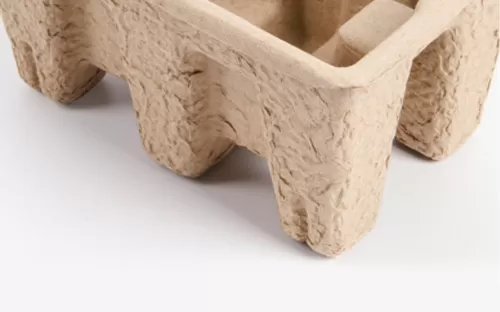




 Our packaging experts design and engineer innovative structures tailored to your product and branding.Explore design & engineering
 Our packaging design specialists create exceptional custom artwork that showcase and bring your branding to the next level.Explore design & engineering
 Create physical samples and 3D interactive prototypes final product packaging before making a final decision.Explore design & engineering