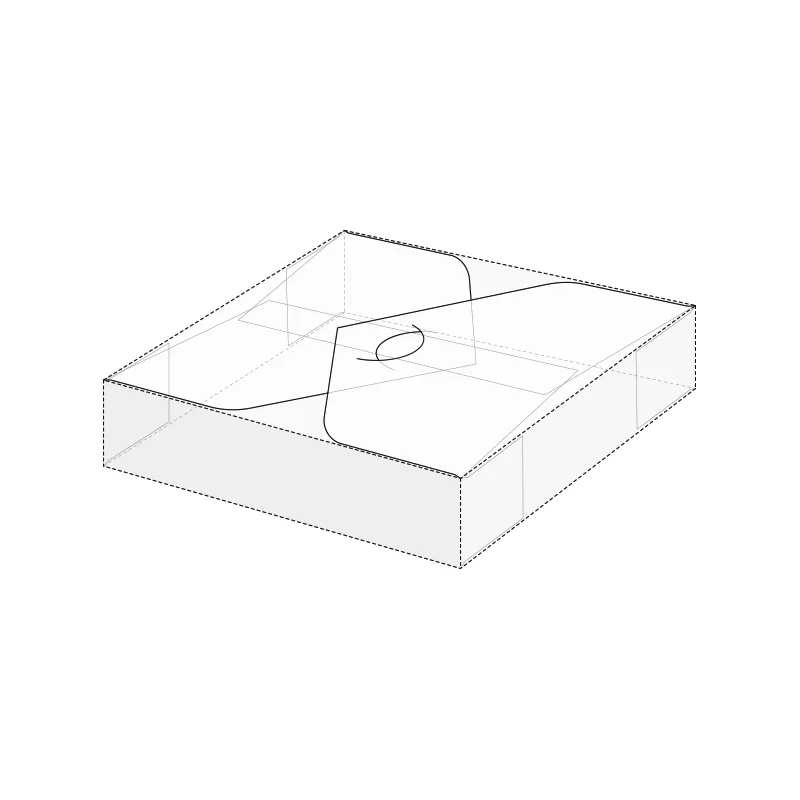
Packaging inserts hold products in position, separate accessories, reduce movement and improve presentation inside a box. They are widely used in wine packaging, cosmetics, jewelry, electronics, tools, food gift sets and premium rigid boxes.
The right insert material depends on product weight, fragility, shape, display requirements, sustainability targets, order quantity and packaging budget.
Paperboard and corrugated inserts provide recyclable paper-based options. Molded pulp offers shaped protection. EVA and EPE foam provide strong cushioning and precise cavities. Plastic trays can support detailed product presentation but may not fit every environmental objective.
What Are Packaging Inserts?
A packaging insert is an internal component designed to position or protect a product inside the outer box.
Inserts may be used to:
Hold a product in a fixed position
Separate several products
Protect fragile components
Organize accessories
Improve the opening sequence
Create a premium display
Reduce loose void fill
Support stacking and transportation
An insert is different from loose filler because it is designed around a specific product or arrangement.
Common insert formats include:
The outer box and insert should be designed together. Adding an insert after the box dimensions have been finalized may create fit and assembly problems.
Paperboard Packaging Inserts
Paperboard inserts are cut, creased and folded into platforms, compartments or product supports.
They are commonly used for:
Advantages include:
Paper-based construction
Good printing compatibility
Efficient flat production
Custom colors and graphics
Easy integration with folding cartons
Suitable for many recyclable packaging concepts
Limitations include:
Lower cushioning than foam
Reduced suitability for very heavy products
Strength depends on board thickness and structure
Complex shapes may require several folded components
Paperboard inserts work best when the structure uses folds, locking tabs and support walls effectively.
Corrugated Inserts and Dividers
Corrugated inserts use fluted board to provide separation, compression strength and impact resistance.
They are commonly used for:
Wine bottles
Glass containers
Electronics
Ceramics
Multi-product shipments
Industrial components
Corrugated inserts may be designed as:
Cross dividers
End caps
Platforms
Layer pads
Bottle-neck supports
Folded cradles
Multi-cell partitions
Advantages include:
Good structural strength
Paper-based material
Suitable for shipping protection
Efficient for bottle separation
Can reduce loose void fill
Corrugated inserts may not provide the same premium appearance as fabric-covered or precision-cut foam, although printing and surface paper can improve presentation.
Molded-Pulp Inserts
Molded pulp is formed into a product-specific shape using paper fibers.
It is often used for:
Electronics
Bottles
Household goods
Personal-care products
Sustainable gift sets
Fragile components
Advantages include:
Shaped product support
Paper-fiber construction
Repeatable product positioning
Good protection around corners and edges
Suitable for automated packing
Limitations may include:
Molded pulp can provide a strong balance between protection and paper-based material use, but the product should be tested in the final design.
EVA Foam Inserts
EVA is a dense, closed-cell foam commonly used in premium packaging.
It is suitable for:
Electronics
Tools
Luxury gifts
Watches
Bottles
Instruments
High-value accessories
Advantages include:
Precise die-cut cavities
Strong product positioning
Premium appearance
Good resistance to compression
Multiple color options
Suitable for layered designs
EVA can also be laminated with paper, fabric or flocking to improve appearance.
Limitations include:
Higher material cost
Limited recyclability in many markets
Additional cutting or laminating processes
Greater environmental concern for some brands
EVA is most appropriate when product protection and premium presentation justify the material.
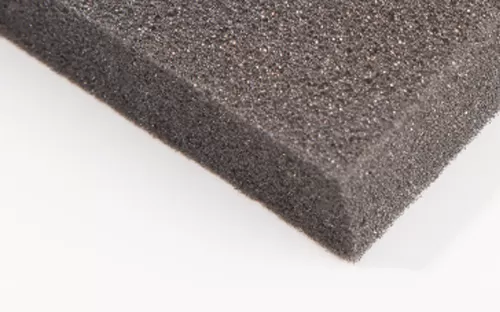
EPE Foam Inserts
EPE is a lightweight foam with good shock-absorption properties.
It is commonly used for:
Electronics
Glass products
Industrial items
Heavy accessories
Shipping protection
Advantages include:
Lightweight cushioning
Impact absorption
Flexible thickness options
Suitable for larger products
Lower density than some EVA options
The appearance is generally more functional than premium. It may be covered with paper or fabric when presentation is important.
PET and Plastic Trays
Plastic trays can be thermoformed to create detailed cavities.
They are used for:
Cosmetics
Food
Small electronics
Retail accessories
Product sets
Advantages include:
Limitations include:
Clear trays may support product visibility, while colored trays can reinforce branding. The selected polymer and local recycling system should be reviewed.
Packaging Insert Material Comparison
| Insert Material | Protection | Presentation | Sustainability Potential | Typical Application |
|---|
| Paperboard | Medium | High | High | Cosmetics, jewelry, retail |
| Corrugated board | High | Medium | High | Wine, electronics, shipping |
| Molded pulp | High | Medium | High | Electronics and bottles |
| EVA foam | High | High | Low–Medium | Luxury and sensitive products |
| EPE foam | High | Medium | Low–Medium | Shipping and industrial products |
| PET tray | Medium–High | High | Varies | Cosmetics, food and retail |
The table should be used as a starting point. Final performance depends on product weight, cavity design, material thickness and outer-box strength.
How to Choose Wine Box Inserts
Wine box inserts must protect the bottle body, shoulder, neck and base.
The insert should consider:
Bottle diameter
Bottle height
Neck shape
Closure type
Bottle weight
Number of bottles
Accessories
Shipping orientation
Common wine box inserts include:
For multi-bottle packaging, bottles should not strike each other during transport. A decorative platform alone may not provide sufficient shipping protection.
Baomi’s custom wine boxes can be developed with inserts for single bottles, multi-bottle sets and gift accessories.
How to Choose Cosmetic and Skincare Inserts
Cosmetic packaging often contains bottles, jars, pumps and accessories of different sizes.
The insert should provide:
Consistent product alignment
Support around bottle bases
Clearance for pumps and caps
Finger access
Accessory compartments
Stable retail presentation
Paperboard inserts are suitable for lightweight products. EVA, molded pulp or thermoformed trays may be used for more complex product sets.
The cavity should not place excessive pressure on pumps, droppers or fragile closures.
How to Choose Jewelry Inserts
Jewelry inserts focus on display, positioning and surface protection.
Common options include:
Foam covered with fabric
Paperboard platforms
Flocked EVA
Velvet-covered board
Card slots
Ring slots
Necklace hooks
The insert should prevent movement and tangling while allowing easy removal.
Related packaging can be linked to Baomi’s custom jewelry box solutions.
How to Choose Electronics Inserts
Electronics inserts must protect:
Screens
Corners
Ports
Buttons
Cables
Adapters
Accessories
Corrugated inserts, molded pulp, EVA and EPE foam are commonly used.
The insert should account for:
Product weight
Drop orientation
Static sensitivity
Heat
Surface scratching
Accessory separation
A premium presentation insert may still require additional shipping protection outside the retail box.
How Insert Design Affects Box Dimensions
Insert thickness and cavity design directly affect the internal box size.
The design must include:
A box should not be finalized before the insert structure has been reviewed.
For example, replacing a thin paperboard platform with thick EVA may increase the required box dimensions. This affects material use, master-carton quantity and freight volume.
How Insert Design Affects Packaging Cost
Packaging insert cost depends on:
Material type
Thickness
Number of cavities
Cutting complexity
Tooling
Surface covering
Printing
Assembly
Order quantity
Quality requirements
A simple folded insert may require no separate mold. Molded pulp and thermoformed plastic normally require tooling. EVA may require several cutting and laminating processes.
Buyers should compare total packaging cost, not only insert cost. A more effective insert may reduce damage, packing time and loose filler.
Packaging Insert Design Checklist
Before developing an insert, provide:
| Required Information | Example |
|---|
| Product dimensions | Length × Width × Height |
| Product weight | Weight per unit |
| Fragile areas | Screen, neck, cap or corner |
| Product material | Glass, metal or plastic |
| Accessories | Cable, manual or tools |
| Required orientation | Flat, vertical or angled |
| Packaging purpose | Shipping, retail or gifting |
| Sustainability target | Paper-only or mixed material |
| Order quantity | Sample and bulk quantity |
| Distribution method | Retail, courier or sea freight |
Physical product samples are strongly recommended for complex inserts.
Sampling and Testing Packaging Inserts
A structural sample should confirm:
Product fit
Ease of loading
Product removal
Insert strength
Box closure
Accessory arrangement
Product movement
Appearance
For shipping applications, testing may include:
A visually attractive insert is not effective if it allows the product to move or places pressure on fragile components.
Frequently Asked Questions
What is the best material for custom box inserts?
There is no single best material. Paperboard suits lightweight products, corrugated board supports shipping, molded pulp provides shaped protection, and EVA or EPE foam suits fragile or premium products.
Are cardboard inserts suitable for heavy products?
They can be suitable when the board grade and structure are designed correctly. Very heavy products may require corrugated board, molded pulp, foam or combined supports.
What is the difference between EVA and EPE foam inserts?
EVA is denser and often provides a more premium appearance. EPE is lighter and commonly used for shock absorption and shipping protection.
Are molded-pulp inserts suitable for premium packaging?
Yes. Molded pulp can be used in premium packaging when the form, color, texture and outer box are designed as a complete system.
How are wine box inserts designed?
Wine inserts are designed around bottle diameter, height, neck, base, weight and bottle quantity. The structure should prevent bottle-to-bottle contact and excessive movement.
Do packaging inserts increase the minimum order quantity?
Some inserts do. Molded pulp and thermoformed plastic normally require tooling and may have higher minimum quantities. Folded paperboard and corrugated inserts can often support more flexible runs.
Conclusion
Packaging inserts should be selected according to product protection, presentation, sustainability, production quantity and total packaging cost.
Paperboard and corrugated inserts provide versatile paper-based options. Molded pulp offers shaped support. EVA and EPE foam provide strong cushioning, while plastic trays support detailed product presentation.
The insert, product and outer box should be developed together. Accurate product samples, structural testing and clear distribution requirements help create packaging that protects the product without adding unnecessary material or shipping volume.


 Solid chipboard rigid boxes commonly used for high-end packaging.
 Durable cardboard used for shipping and carrying heavier products.
 Packaging made to showcase your product.
 Add more dimensions to your packaging with custom made bags.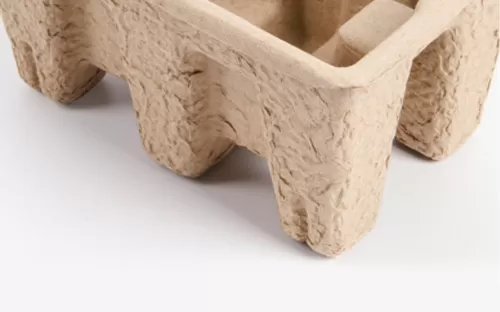




 Our packaging experts design and engineer innovative structures tailored to your product and branding.Explore design & engineering
 Our packaging design specialists create exceptional custom artwork that showcase and bring your branding to the next level.Explore design & engineering
 Create physical samples and 3D interactive prototypes final product packaging before making a final decision.Explore design & engineering