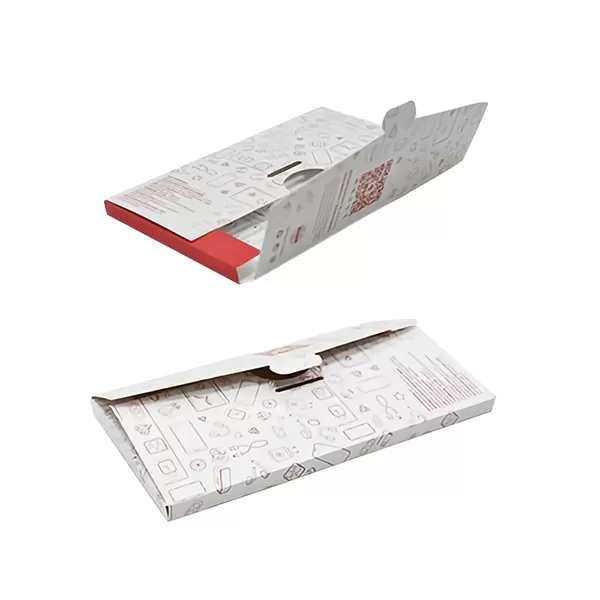
SBS, CCNB and kraft paperboard are widely used for folding cartons and printed retail packaging, but they do not provide the same appearance, print performance, strength or cost structure.
SBS offers a smooth, bright surface suited to premium graphics. CCNB provides an economical coated printing surface with a recycled-fiber back. Kraft paperboard offers a natural appearance and good tear resistance, making it suitable for brands seeking a less processed visual style.
The best material depends on the product, printing requirements, box structure, distribution conditions and target price.
What Is SBS Paperboard?
SBS stands for Solid Bleached Sulfate. It is generally produced from bleached virgin wood fibers and is known for its clean white appearance, smooth surface and consistent printing performance.
SBS paperboard may be coated on one side or both sides, depending on the grade. C1S SBS has one coated side, while C2S grades have coated surfaces on both sides.
Common advantages include:
Bright white appearance
Smooth printing surface
Good color reproduction
Suitable for detailed graphics
Good cutting, creasing and embossing performance
Suitable for premium retail packaging
SBS is commonly used for:
Cosmetic boxes
Skincare packaging
Pharmaceutical cartons
Food packaging
Chocolate boxes
Electronics packaging
Premium folding cartons
Baomi's SBS C1S paperboard options can be matched to different box sizes, printing requirements and structural needs.
What Is CCNB Paperboard?
CCNB stands for Clay Coated News Back. It is generally made from recycled paper fibers and has a coated white printing surface on one side. The reverse side is usually grey or off-white.
CCNB is often selected for price-sensitive retail packaging where the outside print surface is important but the inside appearance is less critical.
Common advantages include:
Typical applications include:
CCNB may not provide the same whiteness, stiffness consistency or premium internal appearance as SBS. The grey reverse side should be considered when the inside of the box is visible.
What Is Kraft Paperboard?
Kraft paperboard is produced using kraft fibers and is available in natural brown, white-top and other grades.
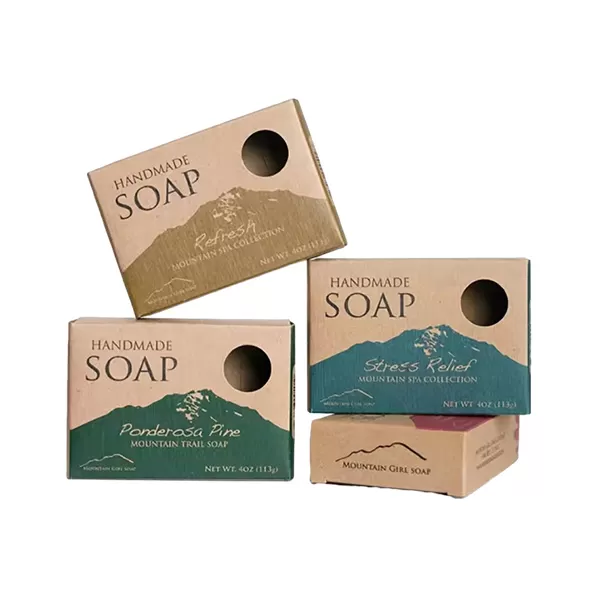
Natural kraft is valued for its visible fiber texture and unbleached appearance. It is commonly associated with organic, handmade, minimalist and environmentally conscious branding.
Advantages may include:
Common applications include:
Kraft is not automatically the most sustainable choice in every situation. Sustainability also depends on coating, lamination, ink coverage, sourcing, box weight and local recycling systems.
SBS vs CCNB vs Kraft Paperboard Comparison
| Property | SBS | CCNB | Kraft |
|---|
| Surface color | Bright white | White coated front, grey back | Natural brown or white |
| Fiber source | Commonly virgin bleached fiber | Commonly recycled fiber | Virgin or recycled kraft fiber |
| Printing quality | Excellent | Good on coated side | Good, with natural color influence |
| Inside appearance | Clean and white | Grey or off-white | Natural brown or white |
| Premium appearance | High | Medium | Natural/minimalist |
| Stiffness consistency | High | Moderate | Depends on grade |
| Tear resistance | Good | Moderate | Good |
| Typical cost level | Higher | Lower | Varies by grade |
| Common use | Cosmetics, food, pharma | General retail cartons | Food, natural brands, retail |
The comparison should be treated as a general guide. Actual performance depends on GSM, thickness, coating, fiber composition and supplier specifications.
Which Material Provides the Best Printing Quality?
SBS usually provides the most predictable surface for high-resolution graphics, fine text, photography and accurate brand colors.
Its smooth white surface allows printed colors to appear bright and clean. This is particularly important for cosmetics, skincare, pharmaceuticals and electronics, where packaging often includes small text and detailed visual elements.
CCNB also provides a coated printing surface, but the reverse side is less suitable when the inside appearance forms part of the customer experience.
Natural kraft affects printed color because the brown surface becomes part of the final appearance. Light colors may appear muted, while white areas require white ink or a white printed base.
For kraft packaging, designers should consider:
Reduced color brightness
Greater variation in natural fiber appearance
White-ink requirements
Simpler graphic styles
Darker colors and bold line art
Uncoated-surface ink absorption
Material should be tested with the intended artwork before final approval.
How Do These Materials Perform with Surface Finishes?
Lamination
SBS and CCNB can accept gloss, matte and soft-touch lamination. Lamination improves surface protection but may affect recyclability.
Kraft can also be laminated, although heavy plastic lamination may reduce the natural appearance that buyers selected the material to achieve.
Foil stamping
Foil stamping can be applied to all three materials. SBS generally provides a smooth base for detailed foil work. Kraft creates a strong contrast between metallic foil and the natural surface.
Embossing and debossing
SBS performs well for detailed embossing when the board thickness and fiber direction are suitable. Kraft can create an attractive tactile result. CCNB may be used, but recycled-fiber consistency and surface behavior should be tested.
Spot UV
Spot UV is commonly used on coated SBS and CCNB. On natural kraft, the result depends on the surface and coating system.
Aqueous coating
Water-based coatings can provide rub resistance and surface protection for many folding-carton applications.
The finishing process should be selected together with the material. A finish that performs well on coated SBS may require adjustment on uncoated kraft.
Which Material Is Best for Different Packaging Applications?
Cosmetic packaging
SBS is often preferred for cosmetic cartons because of its whiteness, printing quality and compatibility with foil stamping, embossing and premium coatings.
Brands seeking a natural aesthetic may use kraft for soaps, solid cosmetics and botanical products.
Food and bakery packaging
SBS is suitable for printed food cartons when the correct food-grade material and barrier requirements are specified.
Kraft is popular for bakery, takeaway and natural-food packaging. Grease resistance and direct-food-contact requirements must be confirmed.
CCNB may be suitable for secondary packaging that does not directly contact food.
Pharmaceutical packaging
SBS is commonly chosen because it supports clear text, barcode readability, precise printing and a clean appearance.
Electronics packaging
SBS works well for lightweight retail cartons with detailed graphics. Corrugated or rigid structures may be required for heavier products.
General retail packaging
CCNB can be an economical option when the inside appearance is not a priority and the package does not require premium stiffness or whiteness.
Sustainable brand packaging
Kraft is visually associated with sustainable packaging, but material reduction, recyclability, responsible sourcing and efficient box design are equally important.
Brands can use these materials in Baomi's custom folding carton structures according to the product and required presentation.
How Do GSM and Thickness Affect Performance?
The material name alone is not enough to determine box performance.
Buyers should also specify:
GSM
Caliper or thickness
Grain direction
Coating type
Moisture content
Folding requirements
Product weight
Box dimensions
A higher GSM may increase stiffness, but box structure and grain direction are also important. A large carton made from a material that is too thin may bow or deform. A very thick board may crack along folds if the creasing process is not suitable.
The selected grade should be tested in the final structure.
How to Choose Between SBS, CCNB and Kraft
Choose SBS when:
Premium print quality is important
Both outside and inside appearance matter
The design includes fine text or photography
Foil, embossing or premium coatings are required
The packaging is for cosmetics, food, pharma or electronics
Choose CCNB when:
Cost control is a major priority
Only the outer surface is highly visible
The box is for general retail goods
Recycled-fiber content is preferred
Premium internal appearance is not necessary
Choose kraft when:
A natural appearance supports the brand
Simple or bold printing is suitable
Tear resistance is important
The package is for food, soap, tea, coffee or natural products
The design minimizes heavy coatings
Frequently Asked Questions
What is the main difference between SBS and CCNB?
SBS is usually made from bleached virgin fibers and has a clean white appearance. CCNB commonly uses recycled fibers and has a coated white front with a grey reverse side.
Is SBS suitable for food packaging?
SBS can be suitable for food packaging when the selected grade, coating, ink and production process meet the required food-contact standards.
Is kraft paperboard cheaper than SBS?
Not always. Price depends on grade, thickness, coating, quantity and sourcing. Some premium kraft grades may cost more than standard coated paperboard.
Which paperboard is best for premium printing?
SBS generally provides the most consistent white surface for detailed graphics, photography, fine text and accurate color reproduction.
What GSM should be used for folding cartons?
The suitable GSM depends on box size, product weight, structure and material grade. A structural sample should be tested before production.
Can foil stamping be applied to kraft paperboard?
Yes. Metallic foil can create strong contrast on natural kraft. The surface texture and foil detail should be tested during sampling.
Conclusion
SBS, CCNB and kraft paperboard serve different packaging goals. SBS provides premium printing and a clean appearance. CCNB offers a cost-effective coated surface for general retail cartons. Kraft provides a natural look and strong fiber character.
The final choice should consider the product, artwork, box structure, material thickness, surface finishes, distribution conditions and brand position. Reviewing a physical material sample and structural prototype remains the most reliable way to confirm performance.


 Solid chipboard rigid boxes commonly used for high-end packaging.
 Durable cardboard used for shipping and carrying heavier products.
 Packaging made to showcase your product.
 Add more dimensions to your packaging with custom made bags.




 Our packaging experts design and engineer innovative structures tailored to your product and branding.Explore design & engineering
 Our packaging design specialists create exceptional custom artwork that showcase and bring your branding to the next level.Explore design & engineering
 Create physical samples and 3D interactive prototypes final product packaging before making a final decision.Explore design & engineering