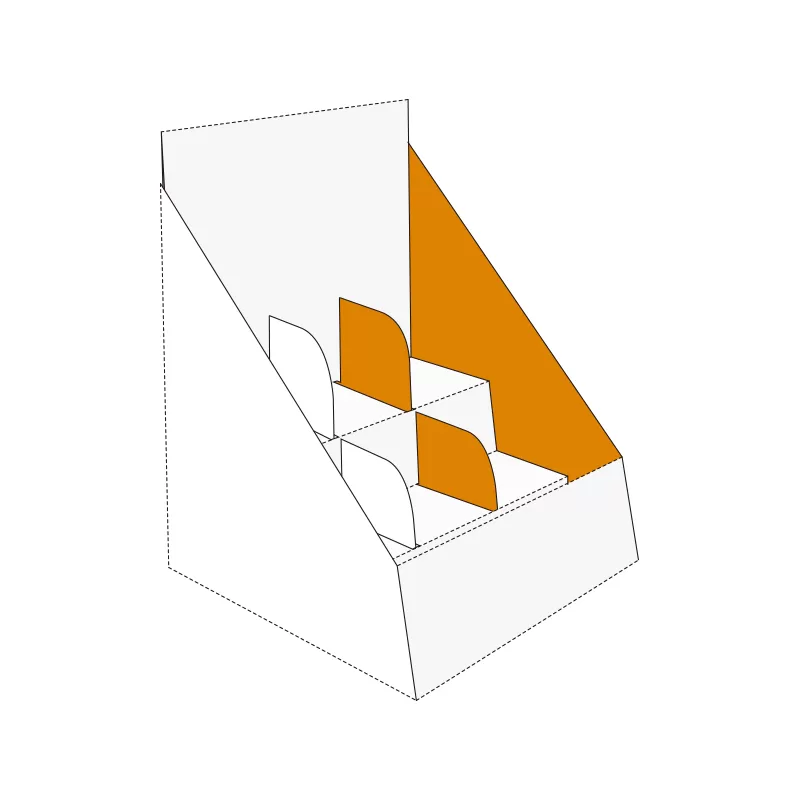
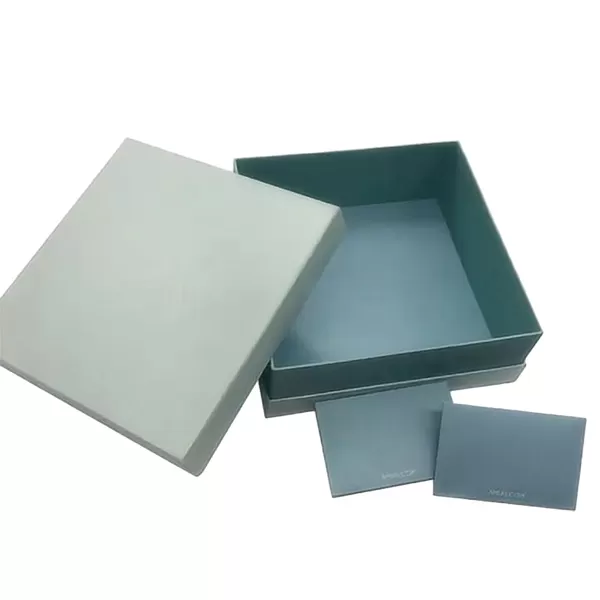
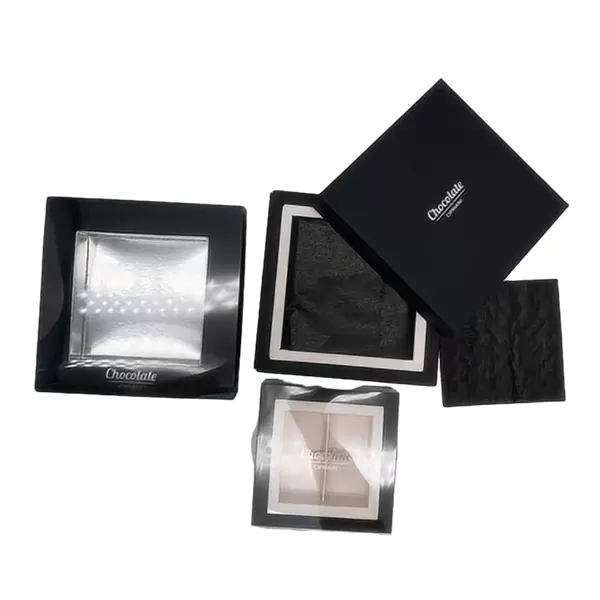
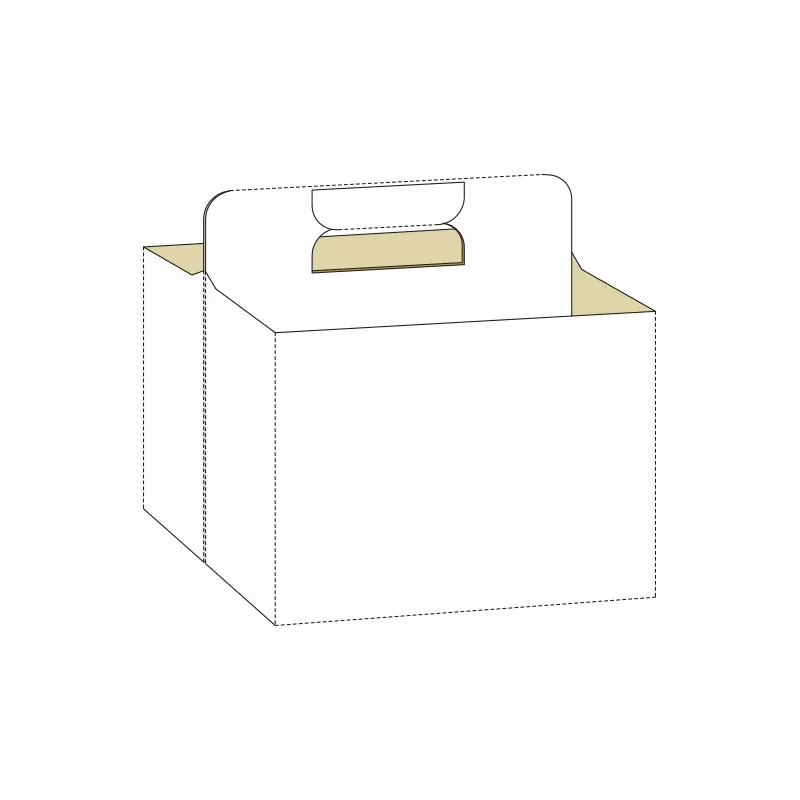
Accurate packaging measurement is essential for product fit, material calculation, structural design, quotation, sampling and shipping planning. A small dimensional error can create a box that is too tight, unnecessarily large or incompatible with a custom insert.
Packaging dimensions are usually written as Length × Width × Depth or Height. However, buyers must also confirm whether the measurements are internal, external or based on a flat dieline.
This guide explains how to measure packaging correctly for rigid boxes, corrugated boxes, folding cartons, drawer boxes, bottle boxes and packaging with inserts.
How Are Packaging Dimensions Written?
Most box dimensions are listed in the following order:
Length × Width × Depth
Length is usually the longer side of the box opening. Width is the shorter side of the opening. Depth or height is measured from the opening to the opposite panel.
For example:
200 × 120 × 60 mm
This usually means:
Length: 200 mm
Width: 120 mm
Depth: 60 mm
The unit must always be stated. Mixing millimeters, centimeters and inches can lead to serious production errors.
For some packaging structures, especially tubes, sleeves and irregular boxes, additional measurements may be required. A paper tube may be specified by diameter and height, while a shoulder-neck rigid box may require separate dimensions for the base, neck and lid.
The dimension order should be shown on a drawing whenever the packaging structure is not a standard rectangular box.
Internal Dimensions vs External Dimensions
One of the most common packaging measurement mistakes is failing to state whether the dimensions are internal or external.
Internal dimensions
Internal dimensions describe the usable space inside the finished box. They are most important when checking whether a product, insert or accessory will fit.
Internal measurements are typically used for:
External dimensions
External dimensions measure the finished outside edges of the box.
They are important for:
The difference between internal and external dimensions depends on material thickness and box construction.
A folding carton made from thin paperboard may have only a small difference. A rigid box made with 2 mm or 3 mm greyboard can have a much larger difference. Corrugated boxes also vary according to flute type and board combination.
| Measurement Type | What It Represents | Main Use |
| Internal dimensions | Usable space inside the box | Product and insert fit |
| External dimensions | Finished outside size | Shipping and storage |
| Product dimensions | Actual product size | Initial packaging calculation |
| Dieline dimensions | Flat production layout | Artwork and manufacturing |
When requesting a quotation, label every measurement clearly.
How to Measure a Product Before Designing the Box
The product should be measured before the box size is finalized.
Measure:
Maximum product length
Maximum product width
Maximum product height
Product weight
Fragile or projecting areas
Accessories packed with the product
Required product orientation
Do not measure only the main body if the product includes a cap, handle, cable, pump, lid or other projecting component.
For soft products, such as apparel, determine whether the item will be folded, rolled or compressed. For bottles, measure the widest point, including shoulders and closures. For sets, establish the final arrangement before determining the box size.
The box should not simply match the product dimensions exactly. Additional space may be needed for:
The correct clearance varies according to product type and insert design. Heavy or fragile products may require a tighter support system, while gift packaging may require finger access or pull ribbons.
How to Measure Rigid Boxes
Rigid boxes use thick board wrapped with printed or specialty paper. Their material thickness must be considered carefully.
For a lid-and-base rigid box:
Measure the internal length and width of the base
Measure the usable internal depth
Measure the lid depth separately
Confirm the fit between lid and base
Account for wrapping paper and board thickness
For a magnetic closure box:
Measure the main internal compartment
Confirm the board thickness
Measure the flap length
Check magnet positions
Include any insert or platform
For a drawer box:
Measure the internal drawer
Measure the outer sleeve
Confirm the clearance between drawer and sleeve
Include ribbon or thumb-cut requirements
A drawer that fits too tightly may be difficult to open after wrapping and assembly. A sleeve that is too loose may reduce the premium feel.
Baomi offers different structures through its custom rigid boxes range, including magnetic, drawer, book-style and collapsible options.
How to Measure Corrugated Boxes
Corrugated boxes are commonly specified using internal dimensions because the main purpose is to fit and protect the product.
When measuring a corrugated box:
Measure the inside length
Measure the inside width
Measure the inside depth
Confirm the flute type
Confirm whether the product needs cushioning
Confirm whether several units share one box
The flute and board thickness affect the external size.
A corrugated shipping box should also be evaluated for:
Product weight
Stacking height
Distribution method
Drop risk
Moisture exposure
Pallet configuration
An excessively large corrugated box increases void fill and dimensional shipping weight. A box that is too small may compress the product or reduce cushioning space.
How to Measure Folding Cartons
Folding cartons are produced from flat paperboard that is printed, die-cut, folded and glued.
The finished carton dimensions are usually defined by the main body panels. However, the production dieline also includes:
Glue flaps
Dust flaps
Tuck flaps
Locking tabs
Fold lines
Bleed areas
Cut lines
The flat dieline is much larger than the finished carton dimensions.
For a standard rectangular folding carton:
Length and width refer to the opening panel
Depth refers to the distance between the opening and opposite panel
Material thickness affects folding and panel compensation
Product-loading direction should be confirmed
For cartons containing bottles, jars or tubes, the closure and base structure should be considered during measurement.
Buyers can review common structures through Baomi's custom folding carton solutions.
Dieline Dimensions Are Not Finished Box Dimensions
A dieline is a flat production template showing how the packaging will be cut, creased, folded and glued.
It normally includes:
Cut lines
Fold lines
Glue areas
Bleed
Safety margins
Locking structures
Window positions
Artwork panels
The dieline width and height should not be confused with the finished box size.
Artwork should be placed according to the panel layout, not according to a single rectangular canvas. Important text and logos should remain inside the safe area, while backgrounds and images should extend into the bleed.
Before mass production, buyers should verify:
Panel orientation
Front and back panels
Top and bottom
Glue areas
Barcode position
Reading direction
Bleed and safety margins
How Packaging Inserts Affect Box Dimensions
Packaging inserts change the internal space required.
An insert may be made from:
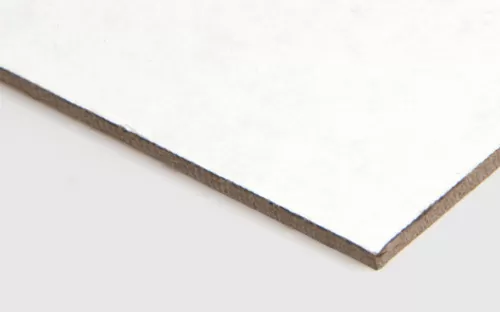
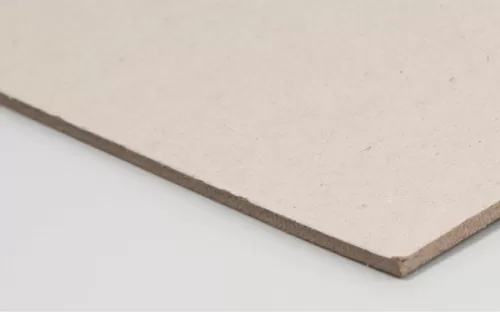
Paperboard
Corrugated board
Molded pulp
EVA
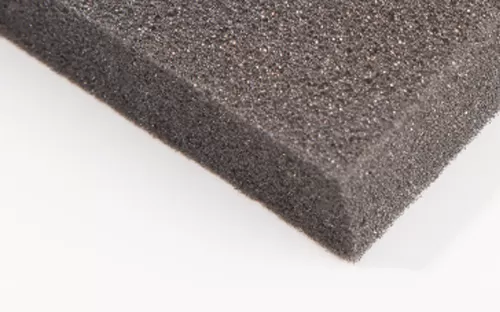
EPE foam
Plastic
Fabric-covered board
The insert must account for product dimensions, material thickness and the method used to hold the product.
A basic calculation is:
Product dimensions + insert thickness + assembly clearance = recommended internal box dimensions
However, the final size should be confirmed through a structural sample.
Additional considerations include:
An insert designed only from photographs may not fit accurately. Physical samples or precise 3D product data are preferable.
Common Packaging Measurement Mistakes
Measuring only the product body
Caps, handles, pumps and accessories may extend beyond the main product dimensions.
Confusing internal and external sizes
This can cause the product not to fit or produce incorrect freight calculations.
Ignoring material thickness
Rigid and corrugated materials can create a meaningful difference between internal and external dimensions.
Allowing too much empty space
Oversized packaging increases material use, shipping volume and void fill.
Allowing no assembly clearance
A box designed to the exact product dimensions may be difficult to load.
Using a dieline size as a finished-box size
The dieline includes flaps, glue areas and structural panels.
Failing to confirm measurement units
Always state mm, cm or inches.
Packaging Measurement Checklist
Before requesting a quotation, confirm:
Product length, width and height
Product weight
Internal or external box dimensions
Packaging structure
Product orientation
Insert material
Accessories
Required clearance
Material thickness
Shipping and stacking requirements
Measurement unit
Reference photos or drawings
Frequently Asked Questions
What is the correct order for packaging dimensions?
Packaging dimensions are commonly written as Length × Width × Depth or Height. Length is normally the longer side of the opening, while width is the shorter side.
Should custom boxes be measured internally or externally?
Internal dimensions should be used for product fit and inserts. External dimensions should be used for shipping, storage and retail-space planning. The measurement type should always be stated.
How do you measure a rigid box?
Measure the usable internal base and depth, then measure the lid or sleeve separately. Board thickness, wrapping paper and closure clearance must be considered.
How do you measure a corrugated shipping box?
Corrugated boxes are usually measured internally as length, width and depth. Flute thickness determines the external dimensions.
Is a dieline the same as the finished box size?
No. A dieline is the flat production layout and includes panels, flaps, glue areas, cuts, folds and bleed. It is larger than the finished box dimensions.
How much clearance should be added around a product?
There is no universal allowance. Clearance depends on product weight, fragility, material thickness, insert design, loading method and required ease of removal.
Conclusion
Correct packaging measurement begins with the product, not the box. Buyers should clearly distinguish internal dimensions, external dimensions, product measurements and dieline dimensions.
Providing accurate measurements, product weight, insert requirements and reference drawings helps reduce structural revisions and creates a more reliable quotation. A physical sample should be approved whenever product fit, material thickness or insert tolerance is critical.


 Solid chipboard rigid boxes commonly used for high-end packaging.
 Durable cardboard used for shipping and carrying heavier products.
 Packaging made to showcase your product.
 Add more dimensions to your packaging with custom made bags.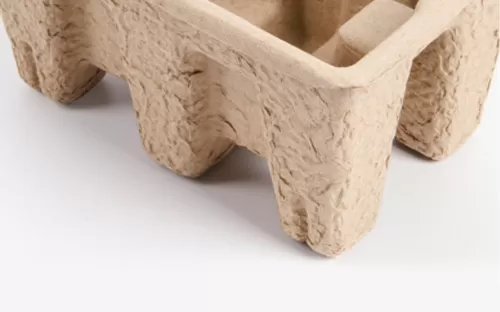




 Our packaging experts design and engineer innovative structures tailored to your product and branding.Explore design & engineering
 Our packaging design specialists create exceptional custom artwork that showcase and bring your branding to the next level.Explore design & engineering
 Create physical samples and 3D interactive prototypes final product packaging before making a final decision.Explore design & engineering